
Stag's-horn clubmoss
Lycopodium clavatum
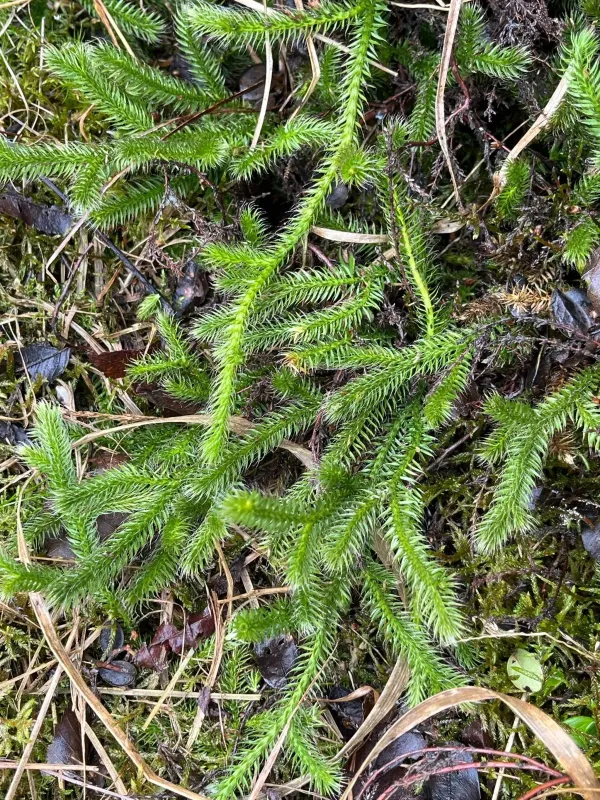
Description
Growing requirements
Lycopodium clavatum, commonly known as stag's-horn clubmoss, is a perennial evergreen plant belonging to the Lycopodiaceae family. It is not typically cultivated as a commercial agricultural crop due to its complex and extremely slow life cycle, which depends on specific soil fungi for germination.
The plant is native to temperate and boreal forests across the Northern Hemisphere. It thrives in acidic soils with high moisture content and prefers shaded, cool environments. The development of the prothallus (the gametophyte stage) can take up to a decade, making large-scale artificial propagation nearly impossible.
Lycopodium requires specialized ecological conditions, including high atmospheric humidity and undisturbed forest soil. It is highly sensitive to environmental stressors such as drought, direct sunlight, and excessive mechanical disturbance, which is typical of modern agricultural lands.
The main commercial value of this plant lies in its spores, known as lycopodium powder. This fine, hydrophobic yellow powder has been used in pharmaceutical industries as a dusting powder, in forensics, and historically in metallurgy for casting processes.
Because the plant cannot be effectively domesticated, the industry relies on harvesting from wild populations. However, this is tightly regulated in many regions to prevent over-exploitation and ensure the long-term survival of the species, as natural recovery is incredibly slow.
Main diseases and pests
The primary threat to Lycopodium clavatum populations is habitat loss caused by deforestation and land development. The conversion of forest land into agricultural or urban areas destroys the delicate fungal networks in the soil that are essential for the plant's survival.
Chemical contamination, particularly from fertilizers and pesticides, is detrimental to clubmoss. These substances disrupt the mycorrhizal associations needed for the spores to germinate, effectively halting the plant's reproduction cycle in contaminated areas.
Recreational activities and trampling pose a significant risk to individual patches. As a slow-growing organism with a superficial root system, the physical damage caused by human or animal traffic can lead to the permanent loss of established colonies.
Climate change is another major concern, as rising temperatures and decreasing soil moisture alter the forest microclimate. Even minor shifts in temperature can prevent the plant from successfully producing spores during the summer season.
Over-harvesting by unauthorized individuals remains a critical issue. Indiscriminate collection of the fertile strobili without proper ecological knowledge can deplete the resource faster than the plant can naturally regenerate, leading to localized extinctions.
Harvesting
The harvesting of Lycopodium spores, or lycopodium powder, takes place during the late summer when the strobili (cones) reach maturity. The cones turn from green to a distinct yellow, indicating that the spores are ready for collection.
Harvesting is performed by carefully clipping the fertile spikes from the stem. It is crucial to use sharp tools to ensure a clean cut, as pulling the plant can cause significant damage to the creeping main stems, which are vital for the plant's long-term health.
The collected strobili are placed into ventilated containers to prevent early germination or decay. They must be transported immediately to a drying area, ensuring that they are kept in a dry, dark, and cool environment to maintain the quality of the spores.
During the drying process, the cones release the spores. The material is then sieved multiple times through very fine mesh screens to separate the pure yellow powder from organic debris such as needles, stems, or sand particles collected in the wild.
Properly dried and cleaned lycopodium powder is then stored in airtight containers. Strict adherence to sustainable harvesting practices is essential to ensure that enough fertile cones remain in the wild to support future population growth.