
Lycopodium deuterodensum
Lycopodium deuterodensum
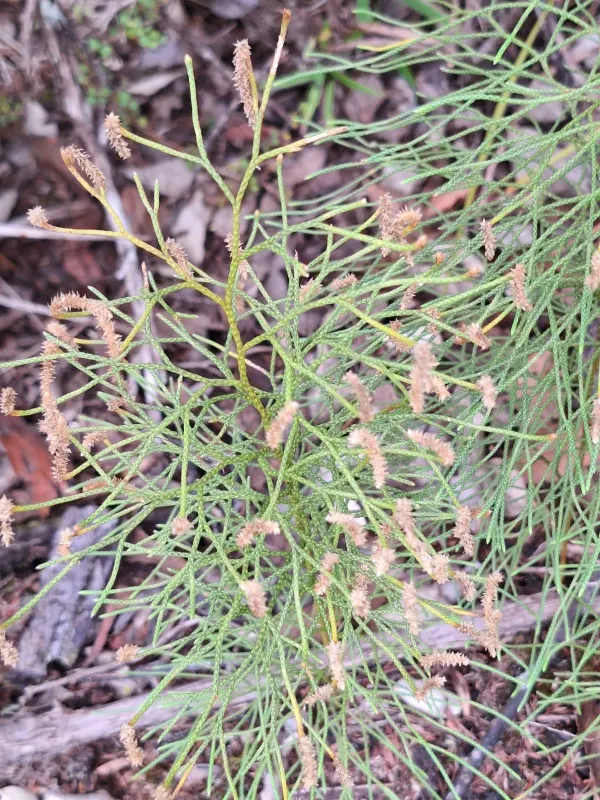
Description
Growing requirements
Lycopodium deuterodensum is a member of the Lycopodiaceae family, commonly known as a type of clubmoss. It is native to the Australasian region, where it thrives in specific ecological niches characterized by high humidity and moderate temperatures.
The cultivation of this plant requires attention to soil composition, which should be acidic and rich in organic matter. A well-draining substrate is mandatory, as the root system of these plants is sensitive to waterlogging and anaerobic conditions.
Climatic requirements involve stable environmental conditions with protection from direct, intense sunlight. In agricultural settings, it is best grown under shade cloth or in greenhouse environments that mimic forest floor conditions.
Botanically, this species is noted for its erect stems and dense microphylls, providing a structural aesthetic. The slow growth rate necessitates a long-term management strategy, as the plant takes several years to reach maturity.
While not a traditional agricultural crop, its utility lies in niche markets such as botanical collections, specialized landscaping, and the potential harvest of bioactive compounds for pharmacological research.
Main diseases and pests
Pathogenic fungi represent the most significant threat to the crop, particularly when moisture levels are not tightly regulated. Improving airflow around the plants is an essential strategy for disease management.
Pest management is challenging due to the plant's sensitivity to synthetic chemicals. Biological control agents are preferred to combat common pests like spider mites and root-zone nematodes that can damage the delicate root system.
Nutrient toxicity is another major concern; over-fertilization, especially with strong mineral-based products, can quickly kill the plants. Low-concentration organic amendments are recommended instead.
Weed management is vital during the establishment phase, as the species is not competitive against aggressive weed varieties. Regular manual weeding is the safest method to protect the clubmoss.
Finally, environmental fluctuations, such as sudden heatwaves or extreme cold, can cause stress and inhibit growth. Monitoring systems are essential for maintaining the health of a cultivated Lycopodium stand.