
Loranthus tanakae
Loranthus tanakae
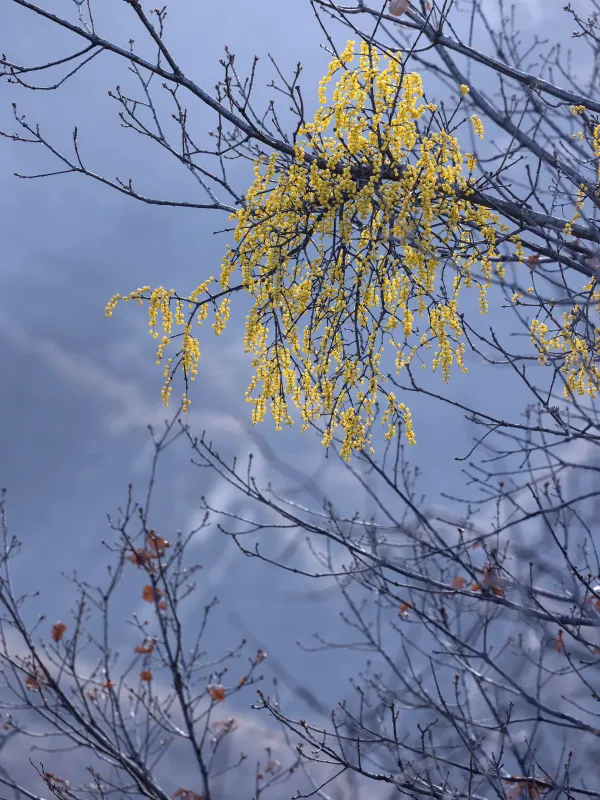
Description
Growing requirements
Loranthus tanakae is a species of hemiparasitic plant belonging to the Loranthaceae family. It is recognized as a specific component of the East Asian flora, primarily native to parts of Japan, where it interacts with various host tree species.
As a hemiparasite, the plant maintains the ability to perform photosynthesis while simultaneously deriving water and essential minerals from its host through specialized structures known as haustoria. This duality allows it to thrive in the canopy layer of forest ecosystems.
The climate requirements for this species include temperate conditions with consistent ambient humidity. It favors exposure to bright sunlight, which is crucial for its photosynthetic processes, leading it to colonize the upper branches of host trees.
Soil requirements are non-existent for this plant, as it does not grow directly in the ground. Its vitality is entirely dependent on the host tree's ability to provide nutrients and the overall microclimate of the canopy.
From an agricultural standpoint, it is not cultivated as a crop but rather monitored in wild or semi-wild settings. Its role is primarily of interest to ecological studies focusing on plant-host interactions and biodiversity conservation.
Main diseases and pests
The primary threats to Loranthus tanakae populations involve the loss of suitable host tree species due to environmental changes or forestry management practices. Habitat fragmentation significantly limits the plant's natural distribution.
Avian species are the main vectors for seed dispersal, feeding on the berries and spreading seeds to new branches. While essential for propagation, intensive foraging by birds can occasionally cause mechanical damage to the vegetative parts of the plant.
Fungal pathogens represent a significant biological threat, especially in environments with high humidity and stagnant air, which can lead to stem decay. These infections can be particularly devastating for established colonies.
Insects that feed on the tissues or sap of the plant naturally regulate its growth. These interactions maintain an ecological balance between the parasite and the host tree within the forest structure.
Management of this species in landscaped areas typically involves pruning infected branches to prevent the parasite from spreading to other parts of the canopy. This remains the most effective method for controlling its presence in sensitive ecosystems.