
Loranthus micranthus
Loranthus micranthus
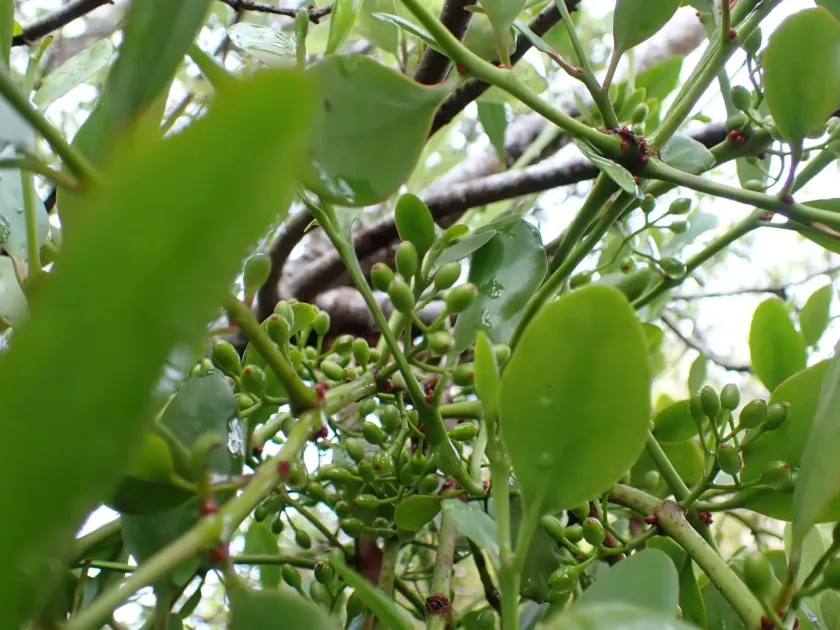
Description
Growing requirements
Loranthus micranthus is a member of the Loranthaceae family, known for its hemiparasitic lifestyle. It thrives by attaching itself to the branches of host trees, extracting water and nutrients through specialized root structures known as haustoria, which penetrate the host's vascular system.
The native distribution of this species is primarily focused in tropical regions, particularly throughout Africa. It demonstrates a strong preference for specific ecological niches where sufficient light and suitable host tree species are available, allowing it to complete its reproductive cycle successfully.
Botanically, the plant presents with woody stems and leathery leaves, adapted to minimize water loss. It produces small, inconspicuous flowers, followed by sticky berries. These berries are critical for propagation, as birds consume them and disperse the seeds onto the branches of other trees.
In terms of economic and practical use, the plant is highly regarded in traditional ethnobotany. Extracts derived from its leaves and stems have been extensively documented for their potential therapeutic effects, particularly in managing cardiovascular conditions such as hypertension and diabetes.
Conversely, from an agricultural perspective, Loranthus micranthus is often viewed as a serious pest in orchards and forestry. By competing for resources and shading the foliage of the host, it reduces the overall health and productivity of the infested trees, necessitating active management.
Main diseases and pests
The primary management challenge for Loranthus micranthus involves its control in sensitive timber or fruit plantations. Cultural control methods are the standard, requiring pruning and disposal of infested tree branches to prevent seed dispersal and further spreading.
While the plant has a defensive nature, it faces threats from environmental degradation and habitat loss, which limit the availability of viable hosts. Pathological issues include susceptibility to specific fungal rots at the haustorial attachment point, which can compromise its parasitic stability.