
Dendrophthoe longiflora
Loranthus longiflorus
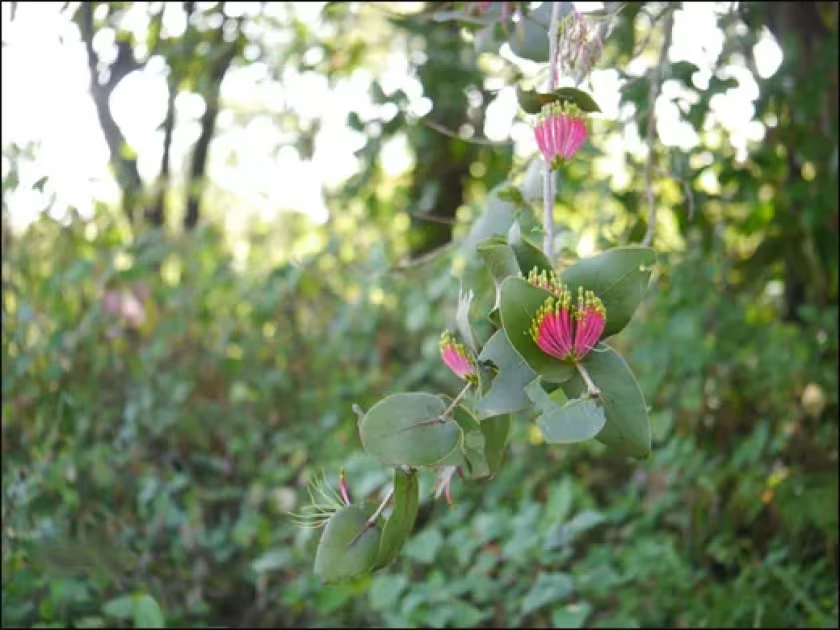
Description
Growing requirements
Dendrophthoe longiflora (syn. Loranthus longiflorus) is an evergreen hemiparasitic shrub belonging to the Loranthaceae family.
This plant is known for its specialized parasitic lifestyle, where it uses structures called haustoria to penetrate the vascular system of host trees, absorbing water and essential nutrients directly from the xylem.
Native to the tropical and subtropical regions of Asia, the plant thrives in humid environments. It is not cultivated as a crop; rather, it is considered a major biological pest that impacts the health of orchards, tea estates, and various fruit-bearing trees.
The plant has no direct soil requirements because it does not root in the ground. Its survival is entirely dependent on the host tree's ability to provide water and sap, making it a significant challenge for foresters and orchard managers.
Agronomic management is limited to physical removal, as the parasitic nature of the plant makes it nearly impossible to target with systemic herbicides without damaging the host tree itself.
Main diseases and pests
Dendrophthoe longiflora poses a continuous threat to agricultural productivity by competing with host trees for resources and inhibiting their growth.
Severe infestations lead to stunted growth, distorted branches, and in extreme cases, the total death of the host plant due to the disruption of internal transport pathways.
Seed dispersal is facilitated primarily by birds, which consume the sticky berries and transfer seeds to healthy branches, allowing the parasite to spread rapidly across entire plantations.
Control strategies prioritize the physical cutting and destruction of infested branches before the parasite can complete its flowering and seed production cycle.
- Regular pruning of infected limbs.
- Monitoring plantation health during dry seasons.
- Preventing the attraction of seed-dispersing birds near sensitive crops.
- Maintaining high tree vigor to boost natural plant defenses.