
Linaria tristis
Linaria tristis
Description
Sowing dates
Linaria tristis is sown directly into open ground during the spring when the soil has warmed up sufficiently. The optimal time for sowing seeds is considered to be April or early May, depending on the climate zone.
It is possible to grow it via seedlings for earlier flowering. In this case, seeds are sown in containers in March, providing them with good lighting and moderate temperatures for active germination.
When sowing in the ground, seeds are distributed over the surface and lightly covered with a thin layer of substrate. Seedlings appear 10–14 days after sowing and require regular soil moisture.
To create dense decorative groups, it is recommended to follow a planting scheme with an interval of 20–25 centimeters between plants, which ensures optimal nutritional space.
Thinning of seedlings is carried out after the formation of two true leaves, leaving the strongest and healthiest specimens for further development of the culture.
Growing requirements
The crop belongs to the Plantaginaceae family and prefers sunny, well-lit areas. In the shade, the plant stretches, loses its compactness, and reduces the intensity of its flowering.
Linaria tristis successfully develops on light, well-drained soils. It is important to avoid areas with stagnant moisture, as excessive root dampness leads to rapid rotting of the root system.
The plant shows high resistance to drought conditions, which allows it to be used in landscape design on plots with limited watering. It is perfectly adapted to poor rocky soils.
The optimal pH level for cultivation should be neutral or slightly alkaline. Heavy clay soils should be improved before planting by adding sand or organic loosening agents.
To maintain decorativeness throughout the season, the plant needs minimal fertilization with complex mineral fertilizers with low nitrogen content to stimulate flowering rather than vegetative growth.
Yield
The economic use of Linaria tristis is concentrated in the field of ornamental floriculture and landscape design. It is prized for its long flowering period, which lasts from June to late autumn.
The culture is widely used for decorating alpine slides, rock gardens, and container plantings. Its compact form allows for the creation of expressive borders and color spots in flower beds.
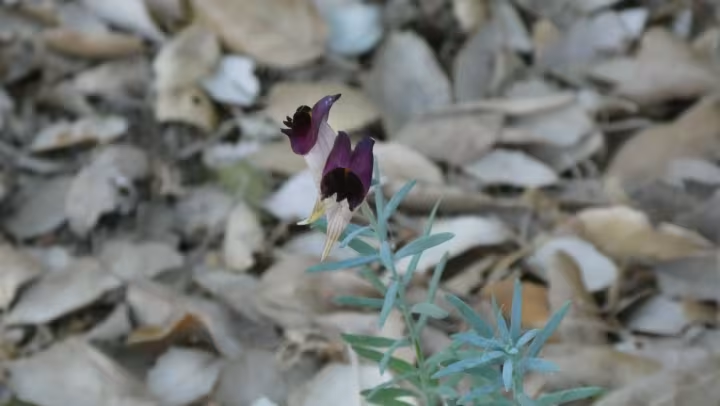
The flowers of the toadflax have an original coloration, often combining dark and light shades, which gives it special aesthetic value in complex garden compositions.
The plant is a good honey source, attracting beneficial pollinating insects to the garden, which has a positive effect on the biodiversity of the garden or farm plot.
Seed productivity is high, allowing agronomists and gardeners to independently harvest planting material for cultivation in subsequent years without significant costs.
Main diseases and pests
The main threat to the crop is fungal diseases that develop when the water regime is violated. Powdery mildew can affect leaves with high air humidity and poor ventilation.
Root rots are the result of overwatering the substrate, especially during periods of prolonged rain. To combat them, broad-spectrum fungicides are used along with improving soil drainage properties.
Among pests, aphids and various types of caterpillars that feed on the tender tissues of young leaves cause the most damage. Preventive insecticide treatments are recommended at the first signs of infestation.
Damage to the roots by soil insect larvae can cause the entire plant to wilt. Regular weeding and loosening of the rows help reduce the number of pests in the root zone.
To prevent the spread of diseases, it is necessary to promptly remove faded inflorescences and affected parts of the plant, thereby ensuring sufficient air circulation in the plantings.