
Linaria algarviana
Linaria algarviana
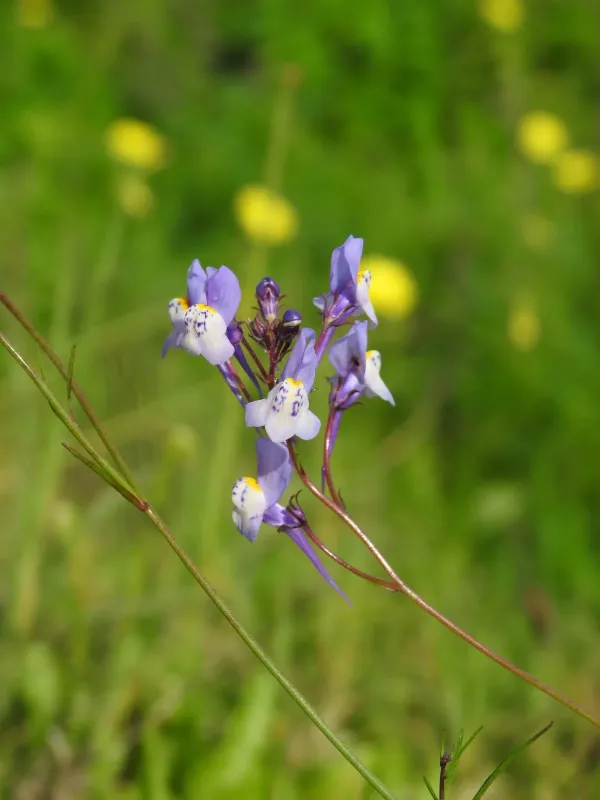
Description
Sowing dates
Direct seeding is best performed in the spring when the soil temperature consistently exceeds 15 degrees Celsius. Precise moisture control during the germination stage is essential to ensure success.
The seeds are small and should be sown on the surface of the soil. Lightly pressing them into the substrate without burying them too deeply ensures they receive the necessary light signals to trigger germination.
For large-scale cultivation, row spacing should be maintained between 30 and 40 centimeters to allow for mechanical weeding and proper air circulation throughout the crop canopy.
Seedlings grown in nurseries should be hardened off before transplanting into the field. This process helps them adapt to the UV radiation and wind stress of the open environment.
Irrigation during the establishment phase should be light and frequent rather than heavy and sporadic. This encourages deep rooting, which provides resilience against future environmental fluctuations.
Growing requirements
Linaria algarviana is a distinct plant species belonging to the family Plantaginaceae. It is recognized for its adaptive capacity to specific soil environments, typically thriving in sandy and well-draining substrates where other species struggle.
The crop requires full sun exposure for optimal growth. Insufficient light results in elongated stems and diminished vigor, which is why site selection must prioritize southern or south-western slopes with maximum light penetration.
Soil structure is paramount for Linaria algarviana. It prefers neutral to slightly acidic soils that are low in organic matter. Heavy clay soils must be avoided as they trap moisture, causing root hypoxia and rot.
Regarding climate, the species is suited to Mediterranean-type conditions characterized by mild winters and warm, dry summers. It exhibits high drought tolerance once the plants are fully established.
Agrotechnical practices involve careful nutrient management. Low fertility soils are often sufficient for this plant, and excessive fertilizer application usually results in weak, prone-to-lodging plant architecture.
Main diseases and pests
The primary agricultural threat to Linaria algarviana is root and crown rot, typically triggered by high humidity or poor soil drainage. Maintaining dry surface conditions is the best prevention strategy.
Aphids represent the main insect threat to this crop. These pests congregate on the growing points of the shoots, causing curling and reducing the photosynthetic efficiency of the plant.
Fungal leaf spots can occur under conditions of high relative humidity. To mitigate this, ensure adequate plant density and prune affected leaves immediately upon the first signs of disease.
Integrated Pest Management (IPM) should be applied to minimize the use of chemical pesticides. Utilizing natural predators of aphids is a highly effective way to keep populations below the economic injury level.
Monitoring for signs of nutrient deficiency is also critical, as weak plants are significantly more susceptible to both abiotic and biotic stress factors compared to vigorous, healthy specimens.
Harvesting
Harvesting for seed production should occur when the seed pods turn from green to a straw-yellow color. This phase typically happens in late summer when the plant enters senescence.
If harvesting for floral or biomass use, the optimal time is during the peak of the flowering stage, when the secondary metabolites are at their highest concentration in the aerial parts.
Post-harvest management requires immediate drying in a shaded, well-ventilated area. This prevents the development of molds which can degrade the quality of the raw material.
Mechanical harvesting must be performed carefully to avoid excessive shattering of the seed pods, which can lead to significant yield losses in the field during the collection process.
Storage of the harvested crop should be done in cool, dry conditions with low humidity levels to maintain the viability of the seeds and the integrity of the plant tissue.