
Sand Toadflax
Linaria arenaria
Description
Sowing dates
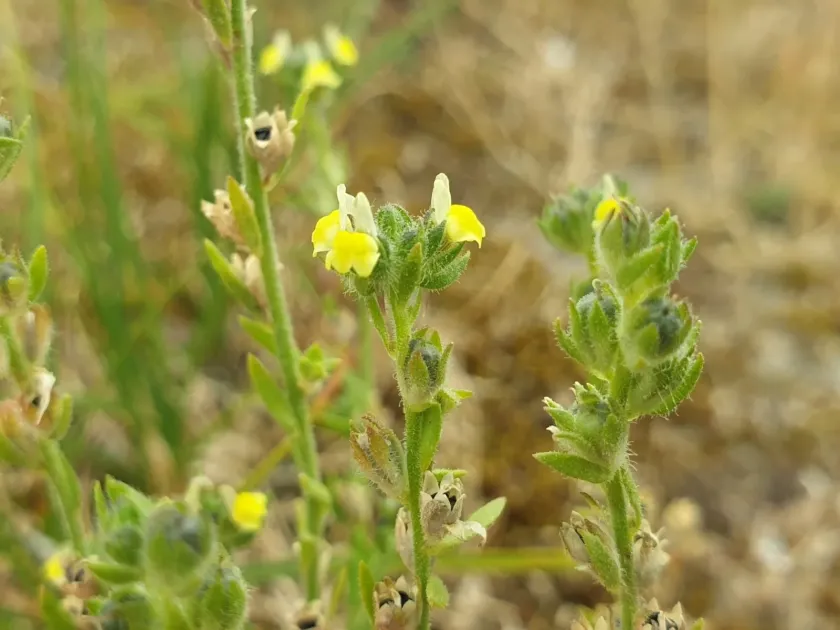
Sand Toadflax (Linaria arenaria) is a specialized annual herbaceous plant belonging to the Plantaginaceae family. It is historically adapted to sand dunes and maritime habitats, making it a unique species that requires specific environmental cues to break dormancy and commence germination.
The sowing process typically involves autumn seeding to expose the seeds to a natural period of cold stratification. This mimics the environmental conditions of its native habitat, ensuring that the seeds transition from dormancy to active growth once temperatures stabilize in the early spring.
When sowing, it is crucial to use a sandy substrate that is low in organic matter. The seeds should be distributed thinly on the surface, as they require light to germinate. Covering them with a fine layer of sand is sufficient to keep them in place without depriving them of the necessary illumination.
Spacing is a vital consideration for this species to ensure adequate airflow around each plant. A recommended density is about 15–20 cm between individuals, allowing the plant to develop its characteristic branching pattern without competition for nutrients or solar radiation.
Germination usually occurs when soil temperatures reach 10–12 degrees Celsius. During this phase, moisture must be carefully managed; while the soil should not dry out completely, keeping it waterlogged will lead to rapid decay of the small, emerging radicals.
Growing requirements
Sand Toadflax thrives in extremely well-drained, sandy soils. Its root system is specifically evolved to function in nutrient-poor environments, so intensive fertilization is not only unnecessary but often detrimental to the plant’s structural integrity and floral development.
Full sun exposure is a non-negotiable requirement for this species. Even partial shade will cause the stems to etiolate and lose their compact form, leading to reduced flowering and overall plant weakness. The plant requires maximum available light to produce its characteristic blooms.
The species prefers a climate with moderate humidity and good air circulation. High humidity combined with still air creates a microclimate conducive to pathogenic fungal growth, which the plant is ill-equipped to handle due to its native maritime breeze-swept environment.
Soil pH should remain neutral to slightly alkaline. The plant does not perform well in acidic or peat-based soils, as these change the mineral availability in a way that interferes with the plant’s natural metabolic processes and long-term health.
Watering should be sporadic and only provided during prolonged droughts after the plant has established itself. Once established, Sand Toadflax is remarkably drought-tolerant, utilizing its deep root system to access residual moisture in the sandy subsoil layers.
Main diseases and pests
Fungal diseases like powdery mildew and root rot are the primary threats to Sand Toadflax. These pathogens thrive when the plant is grown in overly moist or poorly ventilated conditions, leading to rapid tissue death and plant loss within the colony.
Aphid infestations are a common pest issue during the peak growing season. These insects congregate on the tender tips of the plants, causing stunting and potential transmission of viral pathogens, which can severely compromise the health of the entire population.
Slugs and snails can cause significant mechanical damage to the foliage during cool, damp spring weather. Protecting young seedlings is critical, as they are most vulnerable to grazing during their first few weeks of development.
Competition from more aggressive, fast-growing weeds is a significant threat during the early seedling stage. Without adequate weeding, the slow-developing Sand Toadflax can be easily outcompeted, leading to a failure in colony establishment.
Environmental stress, particularly soil erosion around the roots, can destabilize the plant. Maintaining the integrity of the soil structure and preventing accidental disturbance of the root zone are essential practices to ensure the plant remains healthy and productive.