
Linaria amethystea
Linaria amethystea
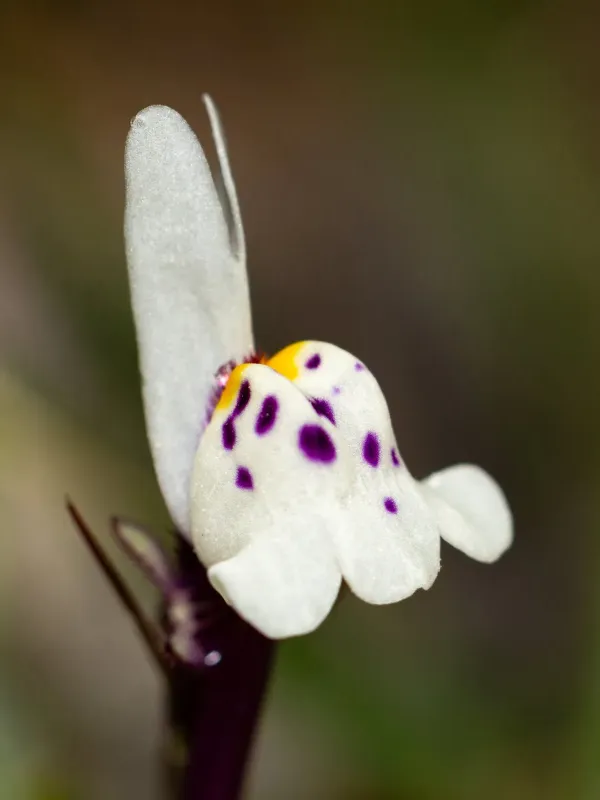
Description
Sowing dates
Linaria amethystea is an herbaceous plant belonging to the Plantaginaceae family. Sowing is typically performed in the spring, once the threat of frost has passed, usually between April and early May.
For earlier blooms, indoor seedling propagation is recommended, starting in March using a light substrate. It is crucial to sow seeds on the surface as they require light for successful germination.
When sowing directly into the ground, scatter the seeds over prepared soil and press them lightly. Consistent moisture must be maintained during the germination period, which usually lasts two to three weeks.
The optimal temperature range for seed germination is between 18 and 20 degrees Celsius. Thinning the seedlings to a spacing of 20–25 centimeters is necessary to ensure adequate airflow and healthy plant development.
This species is known for its self-seeding capability, which allows it to persist in a garden setting over several years without the need for constant re-sowing if environmental conditions are favorable.
Growing requirements
Linaria amethystea thrives in open, sunny locations. Planting in shaded areas leads to leggy growth and reduced flower production, which diminishes the ornamental value of the plant.
The plant is undemanding regarding soil quality. It grows effectively in poor, sandy, or rocky soils, making it an excellent choice for areas with challenging horticultural conditions.
Proper drainage is the most critical requirement for this species. Waterlogging is detrimental as it promotes root rot; therefore, planting on slopes or in well-drained beds is strongly advised.
The preferred soil pH is neutral or slightly alkaline. Linaria amethystea is naturally drought-tolerant once established, reducing the need for intensive irrigation throughout the summer months.
Fertilization should be kept to a minimum. Excessive nitrogen promotes heavy foliage at the expense of floral displays, so a balanced, low-nitrogen fertilizer is recommended for optimal results.
Main diseases and pests
Linaria amethystea exhibits high resistance to most diseases, although powdery mildew can occur under conditions of high humidity and poor ventilation. Fungicides can be used for effective control.
Root rot is typically caused by overwatering or soil compaction. Preventing these conditions through proper soil management and spacing is the best strategy for keeping the plants healthy.
Aphids are the most common pests, targeting young shoots and buds. If infestations are observed, systemic insecticides or horticultural soap solutions can be applied to manage the population effectively.
Leaf-chewing caterpillars may occasionally cause damage to the foliage. Regular monitoring is encouraged, and physical removal or organic control methods are often sufficient to prevent serious plant stress.
To ensure long-term health, it is essential to keep the area free of weeds and ensure that the plants are not overcrowded. These simple cultural practices significantly reduce the incidence of various threats.