
Field toadflax
Linaria arvensis
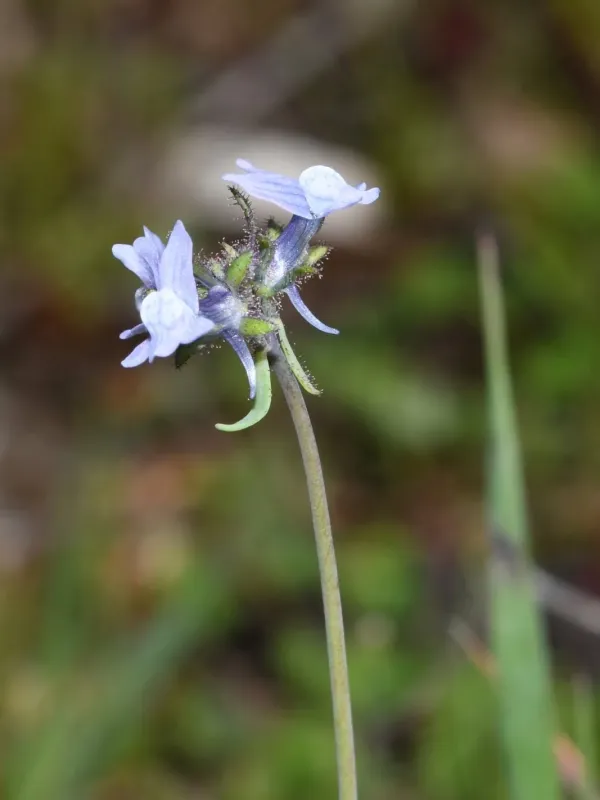
Description
Sowing dates
Field toadflax, scientifically known as Linaria arvensis, is a small annual herbaceous plant belonging to the Plantaginaceae family. While often viewed as a weed in agricultural landscapes, it exhibits a robust biological cycle adapted to temperate climates.
The reproduction of this plant relies exclusively on seed production. Seeds are characterized by significant dormancy, allowing them to survive in the soil bank for several seasons before germinating under favorable conditions.
Germination typically commences in the early spring, as soon as soil temperatures reach approximately 5 degrees Celsius. This early start allows the plant to establish itself ahead of many competing crop species.
In regions with mild winters, autumn germination is also frequently observed. These wintering plants form rosettes, which then undergo rapid stem elongation in the spring, competing intensely with winter wheat or barley.
Agronomic strategies to combat the spread of this species focus on seedbed preparation techniques that encourage premature germination, which can then be destroyed through mechanical cultivation.
Growing requirements
Linaria arvensis thrives predominantly in light, sandy, or well-drained soils. Its preference for loose soil structures stems from its need for high oxygen availability in the root zone.
The species is highly photophilous and grows best in full sunlight. Significant shading by a dense crop canopy significantly inhibits its development, making high crop density a valuable cultural control method.
The plant is resilient to nutrient-poor soils, making it a persistent presence in fields where fertilization management may be inconsistent or in areas with naturally low soil fertility.
Optimal growth occurs in soils with a pH ranging from slightly acidic to neutral. Its physiological adaptations allow it to withstand temporary water stress, maintaining metabolic activity where other species might wilt.
Effective management requires maintaining vigorous crop growth to ensure that the soil remains shaded during the sensitive initial growth stages of the toadflax.
Main diseases and pests
Like many members of its family, field toadflax can be susceptible to powdery mildew, especially during seasons with persistent high humidity and moderate temperatures.
Insects such as specific weevils and leaf beetles occasionally graze on the foliage. However, such damage rarely impacts the population density of the weed in a significant way.
The primary economic threat posed by this plant is its prolific seed production. A single specimen can produce numerous seeds, which complicate harvest quality when contaminated with grain.
Control is challenging due to the plant's tolerance to some common herbicides. Success depends on the timing of herbicide application, which should ideally occur during the rosette stage.
Integrated pest management, combining crop rotation, competitive sowing patterns, and targeted chemical applications, remains the most reliable strategy for suppressing this weed in arable fields.