
Alpine toadflax
Linaria alpina
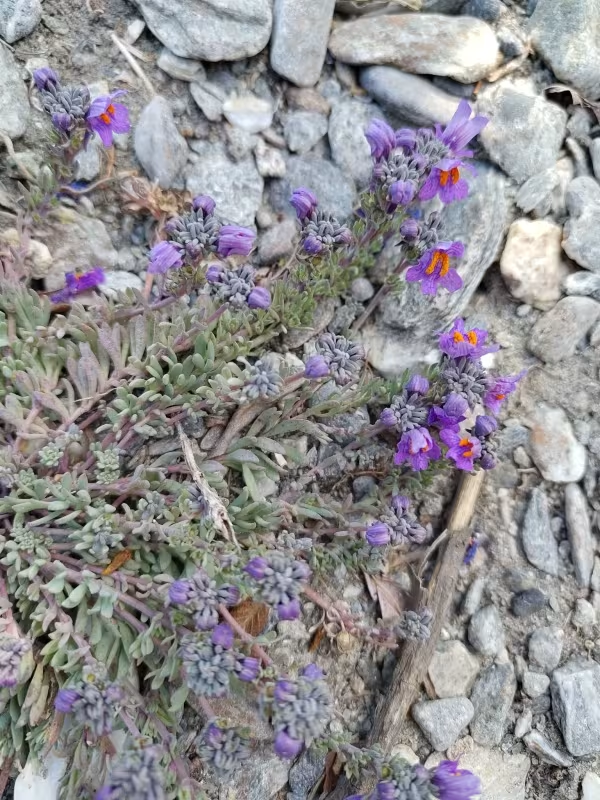
Description
Sowing dates
Alpine toadflax, a member of the Plantaginaceae family, is a delicate perennial often grown for its high ornamental value. Seeds are sown in autumn for winter stratification or in early spring directly into a well-prepared garden bed.
For greenhouse cultivation, seeds are sown in shallow trays. They require light to germinate effectively, so surface sowing with minimal covering is essential for successful seedling emergence.
Optimal germination occurs at temperatures between 18 and 20 degrees Celsius. Seedlings are usually ready for transplanting once they develop several pairs of true leaves and can handle outdoor conditions.
Planting density should be managed to ensure adequate spacing between individual plants. A distance of 15 to 20 centimeters is recommended to allow for air circulation and reduce the risk of humidity-related issues.
The species is known for its prolific self-seeding, which makes it an excellent choice for naturalizing in rocky crevices, scree gardens, and alpine-style borders.
Growing requirements
Native to the high-altitude mountain ranges of Europe, Alpine toadflax thrives in lean, rocky, and gravelly substrates. It is naturally adapted to environments with limited nutrients and rapid drainage.
Soil requirements focus on alkalinity and extreme permeability. Clay-based soils are unsuitable, as they hold too much moisture, which can lead to the rapid decay of the plant's root system.
This species requires full sun exposure to maintain its compact habit and vibrant flowering cycle. In shaded environments, plants lose their structural integrity and produce significantly fewer blooms.
Alpine toadflax is highly drought-tolerant, capable of surviving on stored moisture once established. Regular irrigation should be avoided, except during the initial growth phase or extreme summer heatwaves.
Fertilization is rarely necessary. Applying excessive nutrients, particularly nitrogen, will encourage leafy growth at the expense of flower production and reduce the plant's natural hardiness.
Main diseases and pests
Root rot is the most common threat to Linaria alpina, almost always caused by poor soil drainage. Maintaining a grit or gravel mulch layer around the crown helps prevent water accumulation and fungal growth.
Powdery mildew may occur during periods of high ambient humidity. Improving airflow around the plant and applying appropriate preventative fungicides are the standard methods of control.
Aphids can occasionally infest the stems and buds during the active growing season. They can be effectively managed with gentle washing using insecticidal soaps or biological control agents.
Monitoring for signs of pest damage should be a regular part of garden maintenance. Early intervention prevents large populations from establishing and causing damage to the floral display.
Sanitation is a vital aspect of pest and disease control. Removing dead foliage and debris around the base of the plant minimizes the shelter available for potential pathogens and overwintering pests.