
Linaria tenuis
Linaria tenuis
Description
Growing requirements
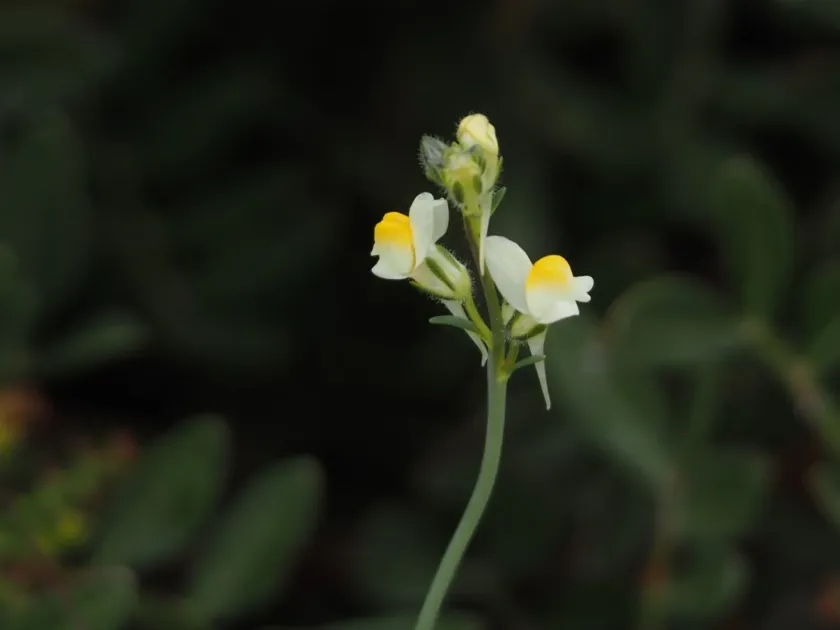
Linaria tenuis is a distinctive herbaceous plant belonging to the Plantaginaceae family. It is recognized for its slender growth habit and specialized inflorescences, making it a subject of interest for niche botanical and agricultural research.
Originating from temperate regions, the plant is well-adapted to environments featuring well-drained soils and significant exposure to sunlight. Its natural habitat is typically characterized by rocky or sandy terrain, which influences its physiological needs.
To ensure healthy development, Linaria tenuis requires locations with full sun exposure. Adequate light is essential for maintaining the structural integrity of the stems and ensuring optimal seed set during the reproductive phase of its cycle.
The plant demonstrates high efficiency in water uptake, thriving in substrates where excessive moisture is avoided. Growers should prioritize sandy or loamy soils that provide excellent drainage and aeration to prevent root hypoxia.
Agricultural management should focus on maintaining a balanced nutrient environment. Avoiding excessive fertilization is key, as the species is adapted to nutrient-poor soils; an overabundance of nitrogen can negatively impact plant architecture and resistance.
Main diseases and pests
Fungal diseases are the primary threat to the health of Linaria tenuis crops, particularly when humidity levels rise unexpectedly. Powdery mildew is the most frequent issue, appearing as a white film on the foliage during periods of low airflow.
Sucking insects, including aphids and spider mites, represent the most common biological threat. These pests target tender shoots, potentially reducing the overall vitality of the stand if they remain unchecked during the peak growth period.
Soil-borne larvae may pose a risk to younger seedlings, especially in fields that have been left fallow for extended periods. Integrated pest management, including crop rotation and soil monitoring, is recommended for long-term stability.
Maintaining proper spacing between individual plants is an essential strategy for preventing the spread of diseases. A well-ventilated field structure minimizes the duration of leaf wetness and reduces the risk of fungal proliferation.
Chemical intervention should be reserved for threshold-based cases where pests or diseases have already reached critical levels. Whenever possible, preventative cultural practices remain the most sustainable method for protecting the crop yield.