
Spanish toadflax
Linaria spartea
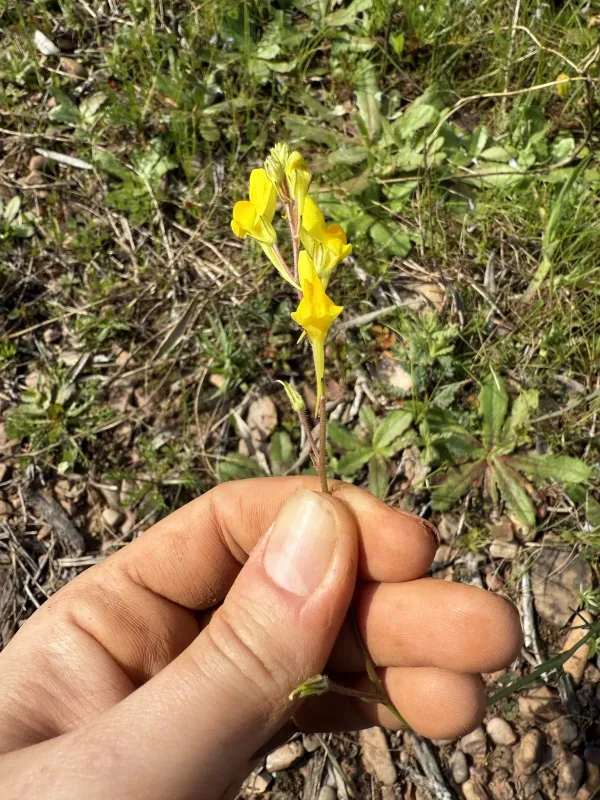
Description
Sowing dates
Spanish toadflax (Linaria spartea) is a flowering annual belonging to the Plantaginaceae family. It is widely recognized for its delicate, slender stems and vibrant flowers that thrive in dry, Mediterranean-type environments.
The sowing season typically begins in early spring, as soon as the threat of severe frost has passed. Seeds should be sown directly into well-prepared, loose soil to encourage rapid establishment of the root system.
Because the seeds are extremely fine, they should be lightly pressed into the soil surface rather than buried deeply. Proper spacing is essential, with a recommended distance of at least 20 cm between individual plants to prevent competition for light.
Germination usually occurs within two weeks under favorable temperatures. Consistent moisture is required only during the initial germination phase; afterwards, the plants become quite resilient to drier conditions.
Thinning the seedlings is a mandatory agronomic step to ensure that the stand has adequate ventilation, which is crucial for preventing fungal outbreaks in the dense canopy of the mature plant.
Growing requirements
Full sun is a non-negotiable requirement for Spanish toadflax. It needs maximum solar exposure to maintain its compact, upright growth habit and to produce the high density of flowers expected during the season.
The plant thrives in sandy, stony, or well-drained soils. Soils that tend to retain water for long periods are generally unsuitable, as the species is highly susceptible to root system decay in heavy, wet conditions.
It demonstrates excellent drought tolerance once established. Supplemental irrigation is generally unnecessary unless an extreme, prolonged heatwave causes severe dehydration of the foliage.
Nutritional needs are low; excessive fertilization, particularly with nitrogen, is counterproductive. High fertility levels tend to promote excessive vegetative growth at the expense of floral development.
The ideal climate for this species reflects its native habitat: warm, dry summers and mild winters. It performs best in regions where the atmospheric humidity remains relatively low during the active growth period.
Main diseases and pests
Fungal pathogens, particularly those causing powdery mildew, represent the most significant threat to plant health. These diseases typically manifest when air circulation is poor or humidity levels remain consistently high.
Aphids are the primary insect pest associated with this plant. They tend to congregate on the soft, growing tips of the stems, where they extract plant sap and can potentially transmit viral diseases.
Leaf-chewing insects, including various caterpillar species, may cause localized damage to the foliage. Monitoring during the early growth stages is recommended to apply management practices before damage reaches an economic threshold.
Root rot, driven by excessive soil moisture, is the most common cause of premature plant mortality. Implementing a strict drainage management plan is the best preventative measure against this threat.
Maintaining a weed-free area around the plants is critical. Weeds serve as reservoirs for pests and pathogens and also compete for the limited sunlight and nutrients that the toadflax requires for success.