
Linaria saxatilis
Linaria saxatilis
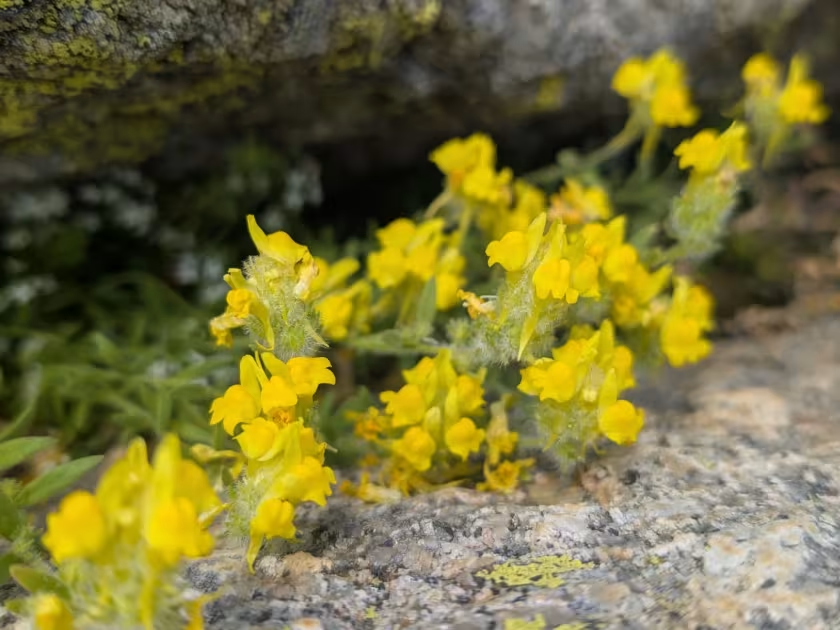
Description
Sowing dates
Sowing Linaria saxatilis requires careful attention to light exposure, as the seeds need light to germinate successfully. It is recommended to sow them on the surface of the soil rather than burying them deeply.
The optimal time for sowing in outdoor environments is during the spring months, once the danger of heavy frost has passed and the soil begins to warm up.
For those starting indoors, sowing in trays during early spring is common. A light, well-draining soil mix should be used to ensure the seeds have sufficient aeration.
Once seedlings have developed a few sets of true leaves, they should be transplanted with care to avoid root disturbance. Spacing should be approximately 20 centimeters apart to allow for airflow.
When direct seeding, it is beneficial to mix the tiny seeds with fine sand to ensure an even distribution across the designated growing area.
Growing requirements
Linaria saxatilis belongs to the family Plantaginaceae and is natively distributed in the rocky habitats of the Iberian Peninsula, which dictates its preference for well-drained conditions.
This species thrives in full sun exposure. It is highly adapted to poor soil qualities, including sandy or gravelly compositions that would not support many other ornamental crops.
Temperature tolerance is a hallmark of this plant. It is well-suited to Mediterranean-style climates, though it can adapt to various temperate regions if the soil is properly drained.
Soil pH levels should ideally be neutral or slightly acidic. The plant does not require high levels of nutrients and may actually suffer from excessive fertilization, which promotes weak growth.
Watering requirements are relatively low. Once established, the plants are quite drought-tolerant, making them an excellent choice for rock gardens or arid landscapes.
Main diseases and pests
The primary threats to Linaria saxatilis are typically associated with environmental stress, particularly excessive moisture levels that can lead to root rot and fungal colonization.
Powdery mildew is a common fungal pathogen that can affect the foliage during periods of high humidity. Proper spacing and good air circulation are essential preventive measures.
Pests such as aphids may occasionally congregate on the tender tips of the plants, causing distorted growth. Monitoring should occur regularly during the peak growing season.
Root-feeding larvae, like wireworms, can pose a risk if the soil has not been prepared correctly or if the planting site was previously infested with host weeds.
Implementing a balanced integrated pest management program, focusing on early detection and physical removal, is the most effective approach to maintaining crop health.