
Linaria reticulata
Linaria reticulata
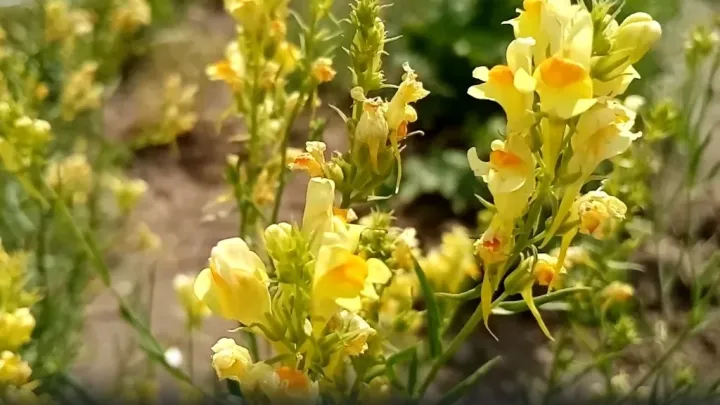
Description
Sowing dates
Linaria reticulata, commonly known as net-leaved toadflax, is an attractive annual plant belonging to the Plantaginaceae family. It is widely cultivated for its unique, colorful flowers that provide excellent aesthetic value to garden beds and borders.
Sowing in the open ground typically occurs in mid-spring, once the danger of frost has passed and the soil has reached a stable temperature of at least 10-12 degrees Celsius. Direct sowing is preferred in regions with long, favorable growing seasons.
For earlier blooms, seedlings can be started indoors in late winter or early spring using light, well-draining potting media. The seeds are very small, so they should be pressed into the soil surface without deep covering to ensure proper germination.
Transplanting seedlings to their final location is carried out after the last frost date. It is crucial to handle the root systems gently to prevent shock and ensure rapid establishment in the garden environment.
A spacing of approximately 20-30 centimeters between individual plants is recommended to allow for adequate air circulation and prevent overcrowding, which is essential for maintaining plant health throughout the season.
Growing requirements
This species requires full sun exposure to thrive and produce its signature vibrant floral display. In shaded environments, the stems tend to become weak and leggy, leading to reduced flower density and overall loss of vigor.
Soil drainage is perhaps the most critical factor in the cultivation of Linaria reticulata. The plant performs best in sandy or loamy soils that do not hold excessive moisture, as waterlogged conditions quickly lead to root rot.
Regarding soil fertility, moderate levels of nutrients are sufficient. Excessive nitrogen application should be avoided, as it encourages dense foliage production at the expense of floral development, leading to weaker stems.
Watering should be managed consistently, keeping the soil slightly moist but never saturated. Once established, the plants show a degree of drought tolerance, though regular moisture will definitely extend the flowering period.
The climate requirements for net-leaved toadflax include cool to moderate temperatures. Extremely high heat can trigger early senescence, meaning that in warmer climates, the plants are best managed as spring-flowering annuals.
Main diseases and pests
Powdery mildew is the most significant disease affecting Linaria reticulata, especially in conditions of high humidity or poor air circulation. It manifests as a white, dusty fungal growth on the leaves, which can severely stunt the plant.
Root rot caused by overwatering is a common problem for inexperienced growers. It is essential to ensure that the planting site has excellent drainage and that no standing water is present after rain or irrigation.
Aphids are the primary insect pests that target the growing tips of the plants. If populations increase rapidly, they can cause curled leaves and weakened growth, necessitating the use of appropriate insecticidal soap or biological controls.
Spider mites may become an issue during particularly hot and dry periods. They typically inhabit the underside of leaves, causing yellowing and a mottled appearance, which reduces the plant's decorative appeal.
Good cultural practices, such as maintaining proper plant spacing and promptly removing any infected debris, remain the most effective methods for controlling both diseases and pests in the garden.