
Reflexed toadflax
Linaria reflexa
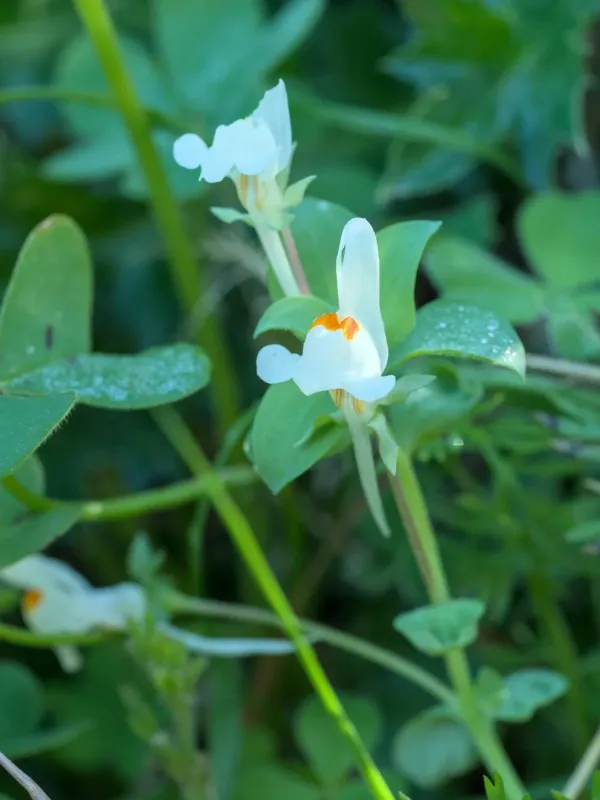
Description
Sowing dates
Reflexed toadflax is considered a segetal weed that primarily infests winter and spring cereal crops, particularly in Mediterranean-type climates.
The life cycle of this plant is typically synchronized with winter crop development, with seeds germinating during the autumn period after sufficient rainfall.
Early emergence gives the weed a competitive advantage, allowing it to establish its root system before the spring growth spurt of the cereal crop.
Spring regrowth of overwintered specimens occurs rapidly, posing a threat to the density and health of the primary agricultural crop.
Strategic tillage before planting is essential to eliminate early flushes of the weed and reduce competition within the field ecosystem.
Growing requirements
This species thrives in open, sunny environments and prefers light, well-drained soils, often being found in sandy or limestone-rich substrates.
Reflexed toadflax exhibits high adaptation to moisture-limited conditions, utilizing its root structure to remain resilient during temporary droughts.
The optimal temperature regime for development ranges from cool, temperate conditions in early spring to warmer temperatures as the season progresses.
Calcium-rich soils are particularly conducive to the rapid biomass accumulation and prolific flowering observed in this species.
In modern agriculture, the presence of this weed often acts as a bio-indicator for specific soil conditions or inadequate herbicide application coverage.
Main diseases and pests
As a member of the Plantaginaceae family, reflexed toadflax may harbor viral pathogens that are transmissible to cultivated crop species.
The plant is susceptible to various specialized pests, including leaf-feeding beetles and caterpillars that can significantly damage its vegetative tissues.
Under humid conditions, fungal infections like powdery mildew can colonize the plant, creating an additional burden on the local phytosanitary environment.
Economic damage is primarily driven by resource competition, resulting in decreased crop vigor and overall yield loss for the farmer.
Contamination of harvested grain with weed seeds necessitates advanced cleaning processes, which increases post-harvest handling costs.
Harvesting
Harvesting challenges arise due to the prolonged maturation of weed seeds, which often shatter and fall to the ground prior to the main crop's harvest.
Utilizing combine harvesters equipped with precise cleaning systems is critical to minimize the presence of weed seed impurities in the final grain yield.
Timing the harvest to account for weed development cycles can help mitigate the risk of increasing the soil seed bank for the following year.
Stubble cultivation after harvest is a vital agronomic practice that helps reduce the emergence potential of reflexed toadflax in the next season.
The application of chemical desiccants ensures a more uniform crop canopy, which aids in smoother threshing operations and better separation of impurities.