
Linaria polygalifolia
Linaria polygalifolia
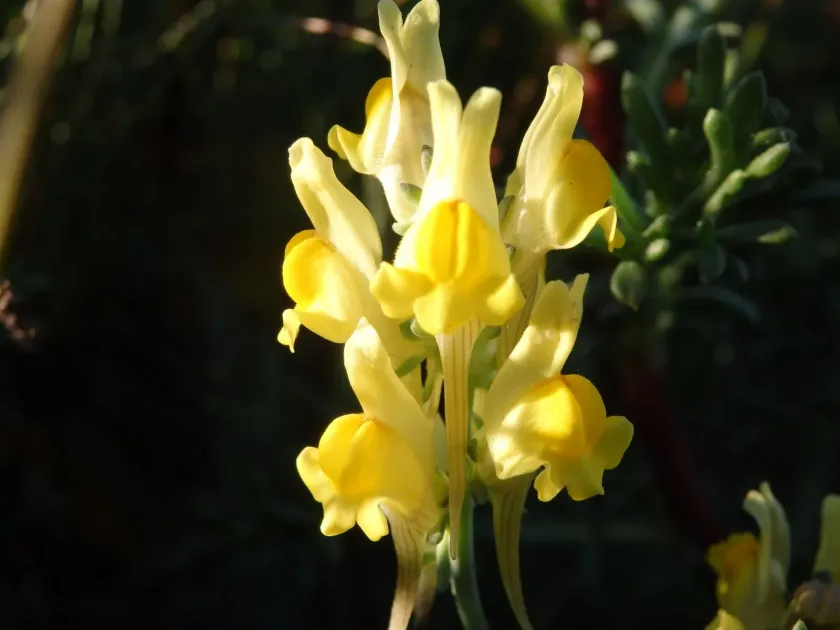
Description
Growing requirements
Linaria polygalifolia is a perennial herb belonging to the Plantaginaceae family. This specific plant is noted for its ability to thrive in harsh environments, displaying clear adaptation traits common to the genus Linaria while exhibiting unique morphological variations.
The native distribution of this species is primarily focused on the Iberian Peninsula. It is most commonly found in sandy substrates, coastal dunes, and areas with sparse ground cover, where it competes effectively despite the challenging nutrient and moisture conditions.
The climate requirements for this plant involve high levels of solar radiation and well-drained soil. As a xerophytic plant, it has evolved to manage water efficiently, making it highly resilient to drought, which is a key trait for survival in its natural ecological niche.
Regarding agricultural or horticultural practice, Linaria polygalifolia is often valued for its utility in soil stabilization in sandy areas. Its deep root system helps prevent erosion, and its physiological tolerance to salinity allows it to grow in conditions unsuitable for most standard crops.
The botanical structure of the plant features dense, narrow leaves that serve as a mechanism for water retention. The plant displays standard scrophulariaceous flower morphology, which often attracts local pollinators, contributing to its successful reproduction in the wild.
Main diseases and pests
The primary threats to Linaria polygalifolia include fungal infections caused by high soil moisture levels, which can lead to root rot. Careful management of drainage is essential to maintain plant health and prevent the spread of soil-borne pathogens.
Common pests associated with this plant include aphids and specific leaf-feeding caterpillars. Monitoring for early signs of infestation is crucial, particularly during the active growth phase, to ensure that the plant maintains its structural integrity and reproductive capacity.