
Linaria platycalyx
Linaria platycalyx
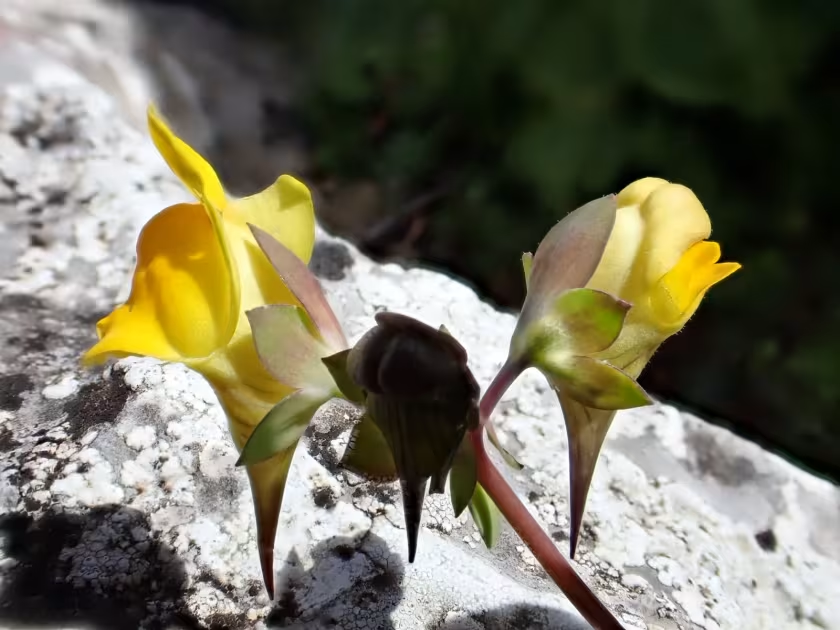
Description
Growing requirements
Linaria platycalyx is a herbaceous perennial belonging to the Plantaginaceae family. This species is native to specific mountainous regions and is characterized by its adaptability to harsh environmental conditions and poor soil quality.
The plant thrives in well-drained, stony, or calcareous soils where moisture does not accumulate. It is biologically optimized for sites with high sun exposure and low nutrient content, making it an interesting subject for specialized agricultural studies.
Regarding climate requirements, the species prefers temperate, high-altitude regions with significant daily temperature fluctuations. It requires full sun to maintain its structural integrity and vitality, as shade often leads to weak development.
Agricultural management should prioritize minimal soil disturbance and the maintenance of a porous substrate structure. It is essential to avoid heavy, clay-based soils, which inhibit root development and promote fungal pathogens.
The utilization of this crop is primarily focused on biodiversity preservation and potential ornamental applications in rock gardens, given its unique floral morphology and resilience to abiotic stress factors.
Main diseases and pests
Fungal infections, particularly root rot, are the primary threat to the health of Linaria platycalyx, especially if the planting site lacks adequate drainage or if soil moisture remains too high for extended periods.
Powdery mildew is another significant concern when airflow is restricted. Proper spacing and site selection are crucial to prevent the spread of spores and ensure the leaves remain healthy throughout the growing season.
Insect pests, including aphids and spider mites, can cause damage to the foliage and developing buds. Monitoring programs are recommended to identify pest pressure before it impacts plant growth significantly.
Integrated pest management strategies are advised, focusing on preventative measures such as adjusting water regimes and manual removal of infected plant tissues before chemical intervention becomes necessary.
Ensuring the longevity of the plants requires monitoring for early signs of chlorosis, which may indicate poor nutrient absorption or an unsuitable soil pH level that needs corrective adjustment.