
Persian toadflax
Linaria persica
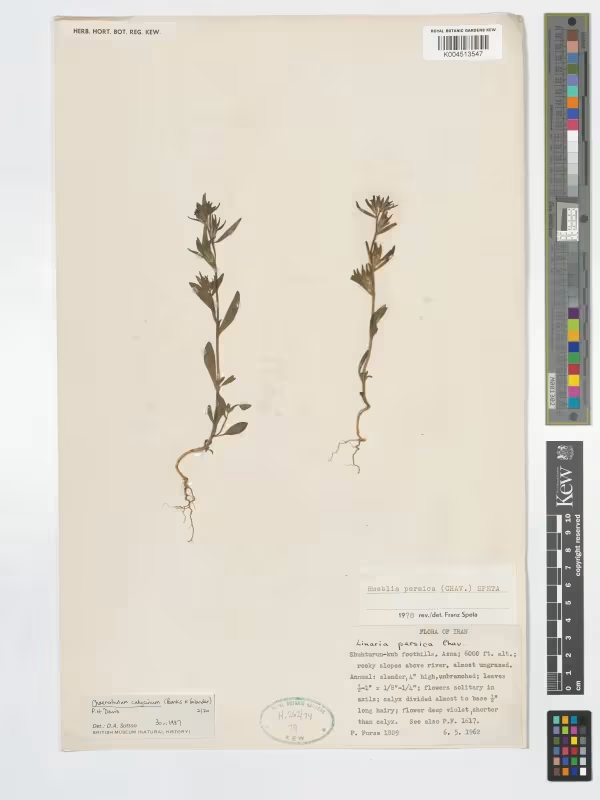
Description
Growing requirements
Persian toadflax (Linaria persica) belongs to the Plantaginaceae family. It is a perennial herbaceous plant native to the regions of Western Asia, typically thriving in habitats characterized by moderate temperatures and open, sunny landscapes with well-drained geological substrates.
The plant requires loose, sandy, or loamy soil with excellent drainage capabilities to maintain healthy root development. It is highly adapted to arid conditions and can withstand prolonged periods of drought, making it an excellent candidate for cultivation in water-limited agricultural environments.
Ideal conditions for cultivation involve consistent exposure to direct sunlight and temperatures averaging between 20°C and 25°C. Proper soil structure is essential, as the species is sensitive to waterlogging, which can lead to rapid physiological decline and root rot infections.
Agronomic management includes basic weed control during the seedling stage to allow the plant to establish a strong root system. While not heavily dependent on chemical fertilizers, moderate application of potassium-based nutrients can improve the plant's resistance to environmental stress.
In terms of agricultural use, Persian toadflax is primarily studied for its potential in ornamental landscaping and as a sustainable ground cover. Recent interest also highlights its phytochemical profile, suggesting potential future applications in pharmaceutical research and essential oil production.
Main diseases and pests
Common diseases affecting Linaria persica are primarily related to moisture management, including downy mildew and various fungal blights. Implementing wide row spacing and adequate site selection are the best preventive strategies against these pathogens.
Pest pressures primarily include aphids and lepidopteran larvae that target the flowering stems. Regular monitoring of the canopy and the use of targeted biological controls ensure the maintenance of crop vigor and prevent significant damage during the peak flowering cycle.