
Linaria peltieri
Linaria peltieri
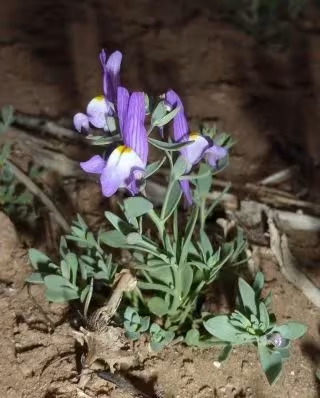
Description
Sowing dates
Linaria peltieri is a plant species belonging to the Plantaginaceae family. Given its natural rarity, successful agricultural cultivation requires precise attention to the biological rhythm of the plant.
The sowing process begins with the preparation of a loose, well-draining substrate. Seeds require light to germinate; therefore, they should be sown on the soil surface without covering or with a very thin layer of sand.
Cold stratification of seeds for 4–6 weeks prior to sowing is essential to break dormancy and ensure uniform emergence of seedlings across the field or nursery plot.
Once seedlings emerge, irrigation should be carefully regulated. A misting system is often preferred to maintain surface humidity without saturating the soil and risking fungal damping-off.
Transplanting into the field is typically conducted once the plants have developed at least two pairs of true leaves and the threat of frost has completely passed in the spring.
Growing requirements
This crop thrives in sunny locations. Exposure to full sunlight is critical for the development of robust stems and healthy flowering, which is essential for yield production.
Well-drained, sandy-loam soils are ideal for Linaria peltieri. The soil structure must facilitate rapid water infiltration to prevent stagnation, which the roots cannot tolerate.
The plant demonstrates high tolerance to moderate drought conditions once established, as it is naturally adapted to rocky and mineral-poor substrates found in its native habitats.
Optimal growth occurs at temperatures ranging between 15 and 25 degrees Celsius. Extreme heat, combined with high humidity, may cause the plants to show signs of physiological stress.
Nutrient requirements are relatively low compared to commercial grain crops. Periodic application of a balanced liquid fertilizer during the early vegetative stage is sufficient to support development.
Main diseases and pests
The most common disease risks include powdery mildew and other fungal leaf spot diseases. These are triggered by high ambient humidity and poor ventilation within the plant rows.
Pest management should focus on aphids and thrips, which can congregate on the delicate stems and flower buds, damaging the overall vigor and reproductive capacity of the plant.
Root rot, specifically caused by Phytophthora or Pythium, is a major threat in fields with poor drainage or during seasons with excessive rainfall and saturated soil conditions.
Weed competition is a significant concern during the early growth phases. Due to the slow initial growth rate of Linaria peltieri, mechanical weeding or mulching is highly recommended.
Integrated Pest Management (IPM) strategies, including the use of pheromone traps and beneficial predator insects, are advised to maintain a healthy and productive crop without over-reliance on chemicals.