
Pedunculate toadflax
Linaria pedunculata
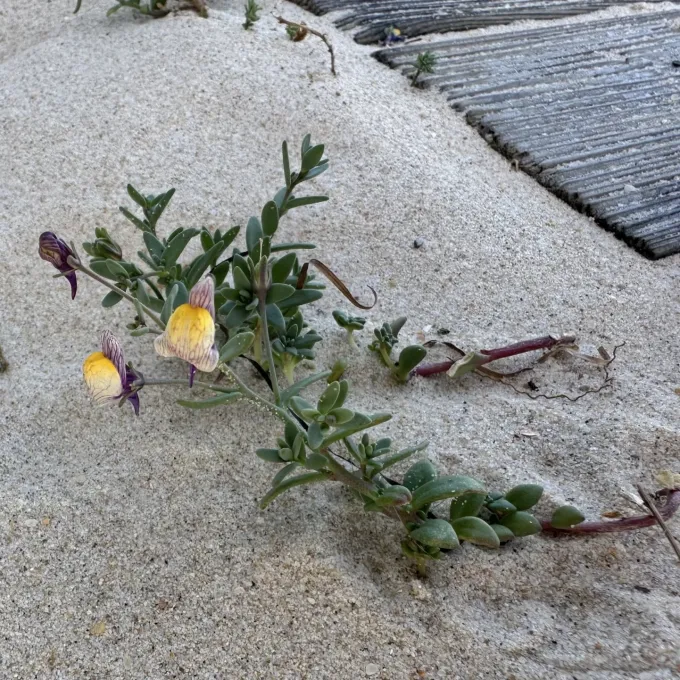
Description
Growing requirements
Pedunculate toadflax (Linaria pedunculata) is a member of the Plantaginaceae family. This herbaceous plant is specifically adapted to sandy substrates and dunes, making it a highly specialized species with unique physiological responses to nutrient-poor environments.
The morphology of the plant includes specialized stems that allow it to thrive in windy, coastal conditions. Its root system is deeply embedded in the soil, enabling the plant to stabilize itself against shifting sands and optimize moisture uptake in arid periods.
For successful cultivation, well-drained and loose soils are strictly required. Waterlogging is the primary environmental stressor that the plant cannot tolerate, as it leads to the rapid onset of physiological disorders and decay of the root network.
The plant requires full sun exposure to complete its life cycle effectively. Reduced sunlight or competition from taller, invasive grasses will significantly impair the plant's development and decrease its reproductive potential.
Agronomic management of Linaria pedunculata involves maintaining an environment that mimics its natural habitat. This includes minimal soil disturbance and the absence of high-intensity fertilization, which is generally detrimental to the plant's health.
Main diseases and pests
Fungal diseases, particularly those affecting the root collar, are the most frequent threats. High humidity levels combined with stagnant air provide ideal conditions for pathogens to compromise the structural integrity of the plant.
Insects such as aphids and leaf miners are known to cause damage by feeding on foliage. If left unmanaged, these pests can reduce the photosynthetic surface area, leading to stunted growth and lower seed production.
The competition from invasive weed species is a constant challenge in field conditions. Without adequate weed control strategies during the early establishment phase, the Pedunculate toadflax population may be rapidly outcompeted.
Environmental stresses like unseasonal frosts can be damaging, particularly if the plant is in an active growth phase. Sudden drops in temperature can cause tissue damage and metabolic shock, hindering the plant's ability to recover.
Excessive chemical use is another major risk factor. Being adapted to sensitive ecosystems, the species is highly responsive to soil chemistry changes, and improper application of nitrogen-based fertilizers can cause severe imbalance in growth patterns.