
Linaria orbensis
Linaria orbensis
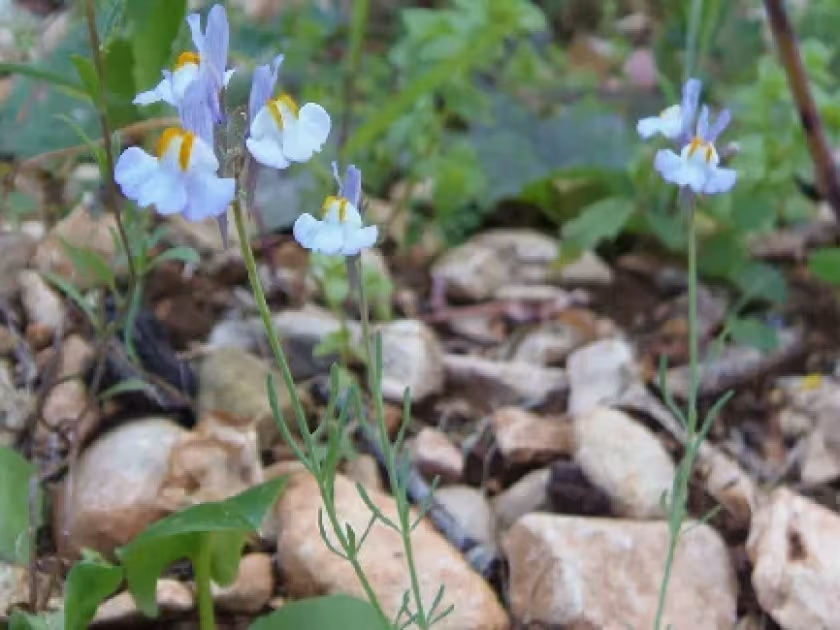
Description
Growing requirements
Linaria orbensis is a perennial herbaceous plant belonging to the Plantaginaceae family. Originally found in specific European habitats, it thrives in environments that provide excellent drainage and moderate climatic conditions characteristic of its native limestone regions.
The culture requires well-aerated, rocky, or calcareous soils to ensure the health of its root system. It is particularly sensitive to waterlogging, which often leads to rapid decay of the root neck and prevents the plant from establishing a firm foothold.
In terms of climate, the plant prefers open locations with full sun exposure. Adequate light is essential for the synthesis of protective pigments and the development of robust flower spikes, which are vital for the plant's reproductive success.
Agronomic management of Linaria orbensis relies on precise water control. While it is highly drought-tolerant once established, it requires consistent moisture during the early seedling stage to develop a deep root system capable of accessing subsoil water.
Fertilization practices should be restrained. The species has evolved in nutrient-poor conditions; therefore, excessive nitrogen application often leads to lush but structurally weak tissue that is more susceptible to environmental stress and opportunistic pathogens.
Main diseases and pests
The primary threats to Linaria orbensis are fungal pathogens favored by high humidity. These include root rot agents that proliferate in compacted or overly damp soil, necessitating careful soil management to maintain good oxygen levels.
Insect pests, particularly aphids and certain lepidopteran larvae, pose a significant risk by damaging vegetative tissues. These pests can weaken the plant and serve as vectors for systemic viral infections that are difficult to manage in field conditions.
Leaf spot fungi can also affect the foliage, especially when airflow is restricted. Ensuring adequate spacing between plants is a crucial cultural practice that helps reduce the humidity microclimate required for spore germination.
Competition from invasive weed species is a major issue during the plant's slow juvenile development phase. Without manual or targeted mechanical weeding, Linaria orbensis is frequently outcompeted for space, nutrients, and sunlight.
Integrated pest management strategies focusing on biological control and maintaining plant vigor are recommended. Avoiding the use of harsh chemicals ensures the preservation of the plant's natural health and the ecological balance of the site.