
Linaria odora
Linaria odora
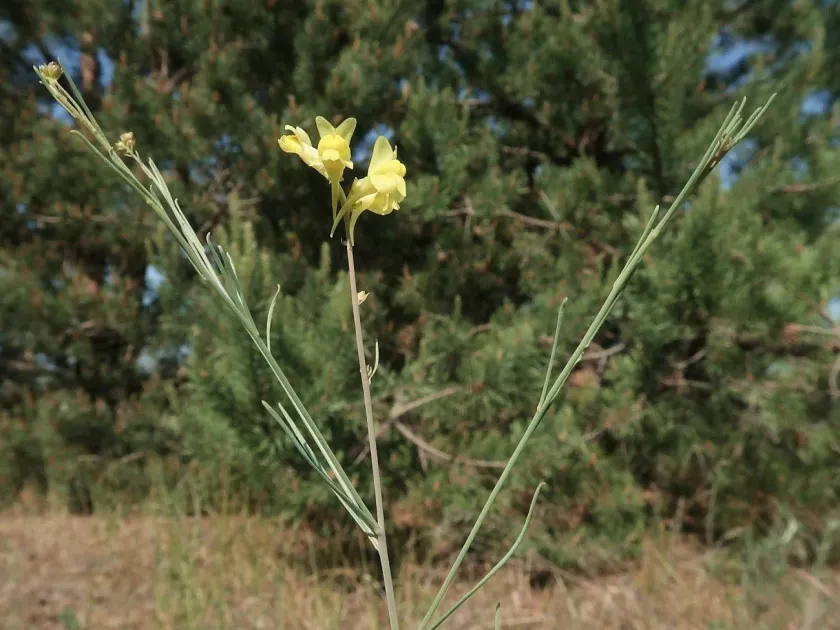
Description
Growing requirements
Linaria odora is a perennial herbaceous plant belonging to the Plantaginaceae family. It is known for its distinct aromatic properties and is widely studied for both botanical classification and its potential in pharmacological applications.
The plant originates from temperate zones where it thrives in open, sun-exposed areas. Its natural distribution range includes habitats characterized by well-drained soils and high solar radiation, essential for maintaining its growth patterns.
Successful cultivation of Linaria odora requires light, sandy-loam soils that allow for excellent aeration. The plant is drought-tolerant, but it does not thrive in compacted or waterlogged soils, which can induce root decay.
Agronomic practices for this crop focus on creating optimal spacing to ensure sufficient sunlight for every plant. Regular weeding is necessary during the early stages, as the plant is not a strong competitor against fast-growing weeds.
The primary economic use of this plant is in the pharmaceutical industry due to the presence of secondary metabolites. Furthermore, it serves as an excellent resource for apiaries, promoting local biodiversity within agricultural landscapes.
Main diseases and pests
The most common disease affecting Linaria odora is powdery mildew, which manifests as a white, powdery fungal growth on the leaves. This condition is triggered by high humidity and poor air circulation around the plants.
Various insects, such as aphids and leaf beetles, are the primary pests that damage the foliage. Infestations can lead to stunted growth and reduced metabolic efficacy, negatively impacting the total biomass yield.
Integrated pest management (IPM) is the recommended approach to mitigate these risks. This involves regular scouting for pests and the application of environmentally friendly biocontrol agents whenever possible.
Root rot is another significant threat that occurs when irrigation schedules are not strictly monitored in intensive farming systems. Improving field drainage is the most effective preventative measure against this type of pathogen.
Maintaining balanced soil fertility, with particular attention to phosphorus levels, helps sustain the plant's natural defense mechanisms. Healthy, well-nourished plants are consistently more resilient to environmental stressors and pest pressure.