
Linaria oblongifolia
Linaria oblongifolia
Description
Growing requirements
Linaria oblongifolia is a herbaceous perennial plant belonging to the Scrophulariaceae family. Originally native to the Mediterranean region, it has adapted well to environments characterized by warm, dry climates.
The plant thrives in well-drained, sandy, or rocky soils, demonstrating high tolerance for poor nutrient conditions. Sunlight exposure is essential, as the species requires full sun to maintain its structural integrity and produce a vibrant floral display.
Agricultural techniques for this species are relatively simple, requiring low water input once the plant is established. It is critical to avoid waterlogged conditions, which can be detrimental to the delicate root system of this species.
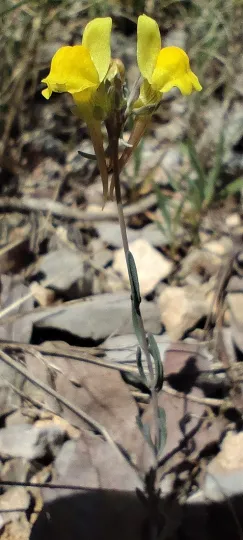
Botanically, it features oblong, lanceolate leaves and terminal inflorescences with unique, spurred flowers. These characteristics make it an excellent candidate for drought-tolerant landscapes and ornamental garden borders.
Economically, it is valued for its role as a pollinator-friendly plant and its utility in sustainable landscaping, where it serves as a robust ground cover that requires minimal maintenance intervention.
Main diseases and pests
The primary threats to Linaria oblongifolia include fungal pathogens, particularly powdery mildew, which can develop during periods of high humidity or poor airflow.
Root rot represents the most significant threat, typically caused by soil compaction or excessive moisture accumulation in the rhizosphere, necessitating proper site drainage.
Common insect pests include aphids and spider mites, which may infest the plant during hot, dry spells, potentially weakening the overall structure of the crop.
Effective management involves consistent monitoring and the application of integrated pest management strategies, focusing on prevention and physical removal where possible.
Maintaining proper spacing between individual plants ensures adequate ventilation, which significantly reduces the incidence of common foliar diseases and promotes overall plant vitality.