
Snowy toadflax
Linaria nivea
Description
Growing requirements
Snowy toadflax, botanically known as Linaria nivea, is a herbaceous plant species belonging to the Plantaginaceae family. Originally found in Mediterranean habitats, it is adapted to thrive in harsh, nutrient-poor, and well-drained soils, typically composed of sand or crushed rock.
The plant exhibits high drought resistance, a trait essential for its survival in semi-arid environments. Its physiological adaptation allows it to minimize water loss through its waxy leaf surface, making it an interesting candidate for research into arid-land vegetation.
Optimal growth requires full sun exposure and excellent aeration. The species is sensitive to soil compaction and waterlogging, which often inhibit root development and promote the onset of fungal diseases. Providing a loose, well-draining substrate is critical for successful cultivation.
In terms of climate, the species prefers warm temperatures and is generally intolerant to heavy, prolonged frost. Its reproductive cycle is synchronized with the dry season, ensuring efficient seed set and dispersal under optimal weather conditions.
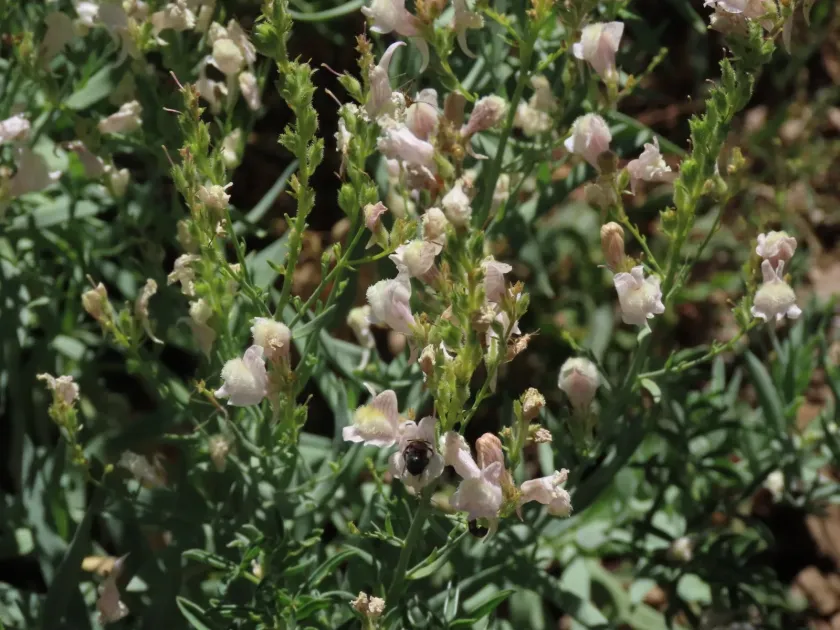
The morphology of Linaria nivea is characterized by slender, erect stems and terminal racemes of snowy-white flowers. These features not only define its taxonomic position but also influence its cultivation potential as a specialized crop for specific ecological conditions.
Main diseases and pests
Common threats to the crop include various root rot pathogens that proliferate in moisture-saturated environments. Effective water management and ensuring proper drainage are the primary methods to mitigate these significant risks during the growing season.
Pests, such as aphids and spider mites, frequently target the succulent parts of the plant, especially during high-temperature cycles. These insects extract vital sap, which leads to stunted growth and potentially irreversible damage to the inflorescences if left untreated.
Management of these pests requires a strategic application of selective insecticides. Integrating biological control measures, such as introducing natural predators, can also be a viable solution for maintaining pest populations below economic injury levels.
Fungal infections, particularly leaf spot diseases, can spread rapidly if air circulation around the plants is inadequate. Maintaining proper spacing between rows is a fundamental agronomical practice to reduce the pressure of these airborne pathogens.
Finally, a comprehensive crop protection plan must prioritize sanitation. Removing diseased or infested plants immediately prevents the spread of pathogens throughout the field, preserving the overall health and yield potential of the crop population.