
Large-tailed toadflax
Linaria macroura
Description
Growing requirements
Linaria macroura, commonly known as large-tailed toadflax, belongs to the Plantaginaceae family. It is a perennial herbaceous plant native to steppe regions and rocky slopes, displaying high environmental adaptability.
The plant thrives in well-drained, sandy, or loamy soils. It is notably drought-tolerant, utilizing a deep root system to access water in arid conditions, which makes it an excellent candidate for xeriscaping.
Adequate sunlight is essential for the healthy growth and flowering of this species. It prefers open areas and performs poorly in shaded environments, where it may become leggy and less productive.
The biological cycle of Linaria macroura is adapted to continental climates, showing strong cold resistance. It is well-suited for soil stabilization in regions prone to erosion due to its dense root architecture.
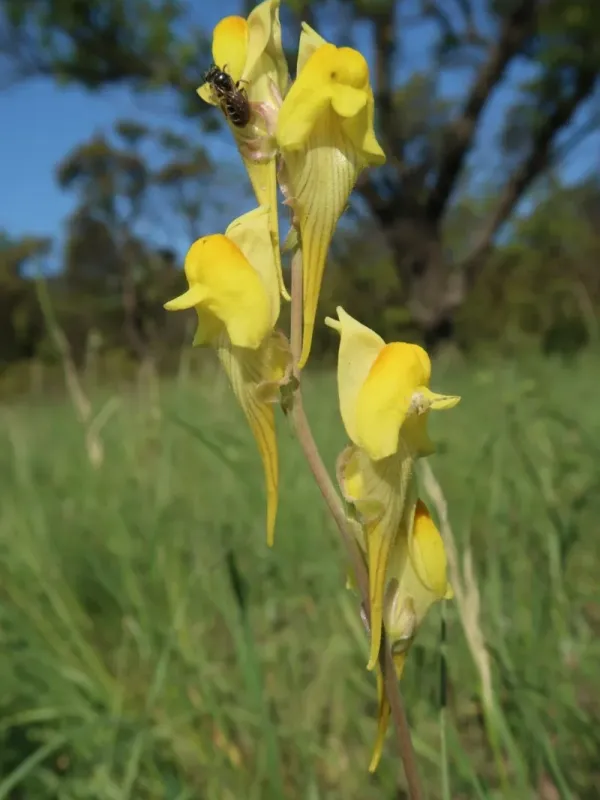
In addition to its ecological role, the plant is valued for its unique appearance, characterized by elongated inflorescences, making it a point of interest for botanical gardens and landscape designers.
Main diseases and pests
The primary threats to this culture are fungal pathogens, specifically powdery mildew, which can spread rapidly under high humidity and poor air circulation conditions.
Root rot represents a significant risk if the soil remains waterlogged. Ensuring proper soil structure and drainage is the most effective preventative measure against such issues.
Insect pests, including aphids and specific species of lepidopteran larvae, can target the floral structures and foliage, potentially affecting the plant's overall vigor.
Integrated pest management strategies should focus on preventive measures, such as maintaining optimal planting distances and regular inspection of the crops.
Chemical intervention should be considered a last resort, prioritizing environmentally friendly biological controls to maintain the integrity of the plant's natural habitat.