
Loose-flowered toadflax
Linaria laxiflora
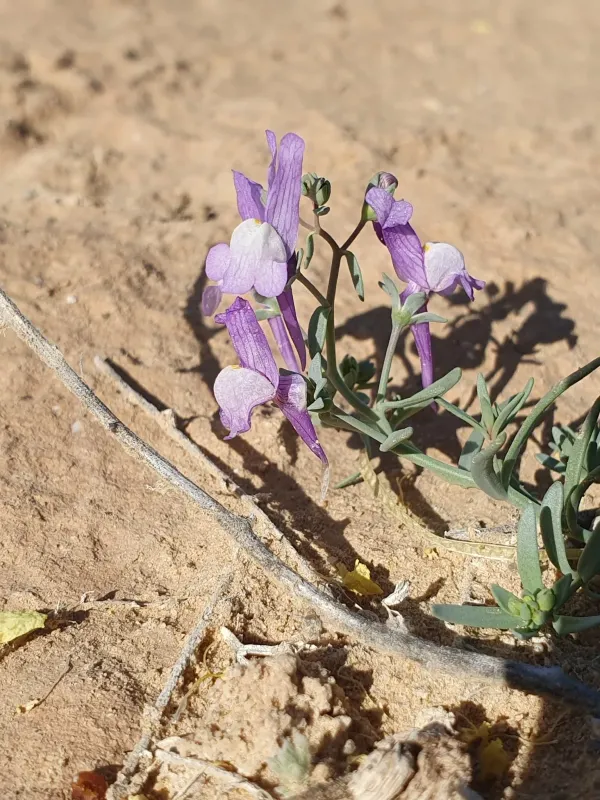
Description
Sowing dates
The loose-flowered toadflax, a member of the Plantaginaceae family, exhibits unique physiological traits that necessitate careful selection of sowing timing to ensure successful establishment.
Early spring sowing is recommended, targeting periods when soil temperatures consistently remain above the minimum threshold required for uniform seed germination and initial radical growth.
Seeds should be sown at a shallow depth of approximately 1 to 2 centimeters to provide sufficient aeration and prevent dormancy issues often associated with deep burial in heavier soils.
Standard crop management practices emphasize maintaining appropriate spacing, typically between 30 and 45 centimeters between rows, to optimize airflow and reduce competition for nutrients.
Precision seeding equipment is advised to ensure consistent plant distribution, which directly influences the uniformity of the crop canopy and overall yield potential.
Growing requirements
This crop thrives in well-drained, sandy or light loamy soils that provide excellent physical conditions for root penetration and rapid nutrient absorption throughout the growing season.
Photoperiodic requirements and high solar exposure are critical; therefore, selecting fields with unobstructed sunlight is essential for reaching the full developmental potential of the plants.
While the species is relatively drought-tolerant, maintaining soil moisture levels during the peak vegetative stage significantly improves biomass production and inflorescence quality.
Soil pH management is a fundamental aspect, with a preference for slightly acidic to neutral ranges to ensure maximum availability of essential micronutrients.
Nutrient management strategies should integrate NPK applications tailored to the specific nutrient uptake profile of the plant at different growth stages.
Main diseases and pests
Pest pressure is primarily driven by leaf-feeding insects and larvae, which can significantly defoliate young plants if left unmanaged during the early developmental phases.
Fungal pathogens such as powdery mildew represent a major threat, particularly in environments with poor ventilation or consistently high humidity levels during the summer months.
An integrated pest management (IPM) approach is essential, involving regular field scouting and the judicious use of pesticides only when population thresholds are exceeded.
Cultural control measures, including crop rotation and the removal of alternative host plants from field margins, are highly effective in reducing the long-term pathogen load.
Effective irrigation management, aiming to keep the foliage as dry as possible, serves as a preventative strategy against various soil-borne and foliar diseases.