
Broad-leaved toadflax
Linaria latifolia
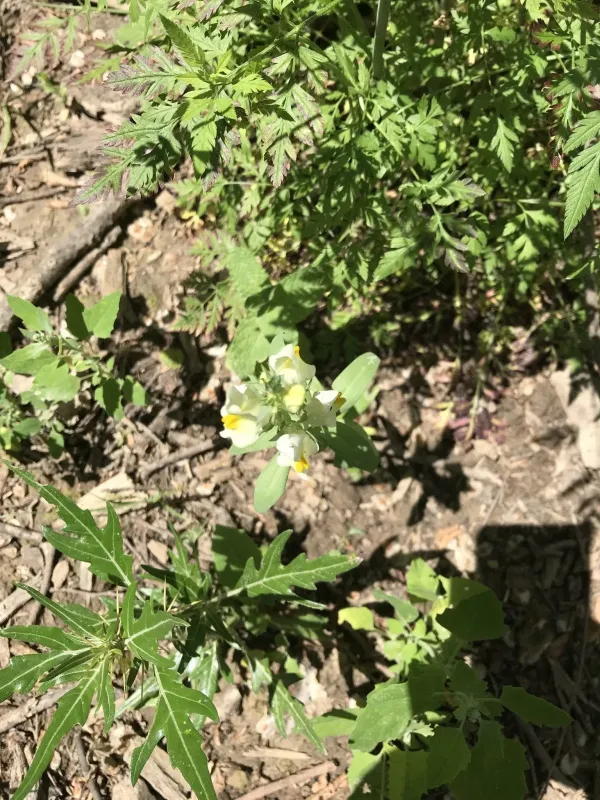
Description
Growing requirements
Broad-leaved toadflax (Linaria latifolia) is a perennial herbaceous plant belonging to the Plantaginaceae family. It is native to the Mediterranean region and is typically found in rocky or sandy mountainous terrain.
The species is highly valued for its ability to thrive in nutrient-poor and dry soils, making it a resilient option for land stabilization or specialized ornamental plantings in dry climates.
For cultivation purposes, Linaria latifolia requires full sun exposure and well-drained soil. It is intolerant to waterlogged environments, which can quickly lead to root decay and overall plant failure in the field.
The plant demonstrates significant tolerance to temperature fluctuations, typical of its native Mediterranean habitat. It requires minimal fertilization, as excessive nutrient levels often reduce the plant's natural vigor and medicinal compound concentration.
Agrotechnical management includes periodic thinning to prevent overcrowding and ensure adequate airflow, which is critical for maintaining plant health in diverse climatic zones.
Main diseases and pests
The main pathological concerns for Linaria latifolia include powdery mildew and various types of root rot caused by stagnant water in the root zone. Ensuring proper drainage is the most effective preventative measure.
Insect pests such as leaf-eating larvae and certain beetle species can cause significant defoliation during the peak vegetative stage. Integrated pest management strategies are advised for sustainable control.
Regular monitoring of the foliage is essential to detect pest activity before it reaches economic injury levels, allowing for targeted and minimally invasive control measures.
Preventative measures involve removing infected plant debris after the growing season to disrupt the life cycles of common fungal pathogens that overwinter in the field.
Farmers should prioritize the use of resistant varieties, if available, and maintain appropriate plant spacing to improve ventilation and reduce the micro-humidity that favors fungal pathogens.