
Kurdish toadflax
Linaria kurdica
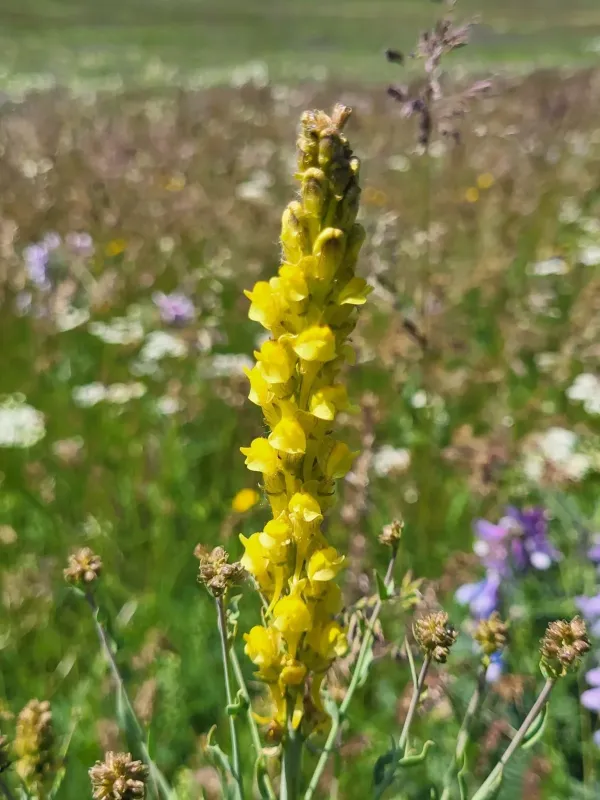
Description
Growing requirements
Kurdish toadflax (Linaria kurdica) is a perennial herbaceous plant belonging to the Plantaginaceae family. It originates from the arid mountain regions of the Middle East, specifically adapting to rocky slopes and high altitudes.
The plant thrives in well-drained, sandy or gravelly soils. It is known for its remarkable drought resistance, allowing it to flourish in environments where soil moisture levels remain consistently low throughout the growing season.
Full sun exposure is a critical requirement for this species. In cultivation, it must be placed in open areas to avoid competition for light, as even partial shade can lead to stunted growth and reduced blooming potential.
The climate requirements for Kurdish toadflax involve warm, dry summers and cool winters. It is highly adaptable to temperature fluctuations, which is typical for its native mountainous range where thermal stress is common.
Soil nutrient levels do not need to be high, as the plant is adapted to poor, rocky substrates. However, good aeration is essential to prevent the accumulation of moisture around the root crown, which the species dislikes.
Main diseases and pests
The primary threats to Kurdish toadflax are related to moisture management. Excessive watering or poor drainage quickly leads to root rot, which is the most common cause of crop loss in agricultural settings.
Fungal leaf spots can occur during periods of high atmospheric humidity or poor airflow. Regular monitoring and maintaining proper plant spacing are effective cultural practices to mitigate these fungal risks.
Aphids can occasionally target the tender new growth during the spring flush. These pests suck the sap of the plant and can be vectors for secondary infections if not controlled in a timely manner.
Powdery mildew is another occasional issue, appearing as white patches on foliage during stagnant weather conditions. Proper management involves ensuring that the plant density does not interfere with natural air circulation.
Weed control is vital during the establishment phase, as Kurdish toadflax seedlings grow slowly and are easily outcompeted by more aggressive invasive weeds before they develop their robust root systems.