
Japanese toadflax
Linaria japonica
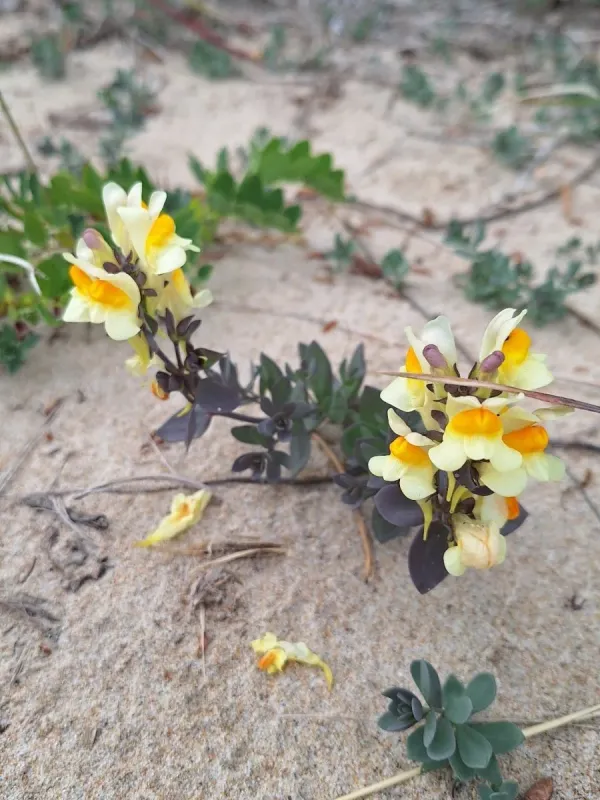
Description
Growing requirements
Japanese toadflax (Linaria japonica) is a perennial herbaceous plant belonging to the Plantaginaceae family. This species is naturally adapted to harsh coastal environments, specifically sand dunes and rocky seashores in East Asia.
The native range of this plant extends across Japan, the Korean Peninsula, and the Russian Far East. It has evolved to thrive in environments characterized by sandy substrates, salinity, and high exposure to maritime winds, making it a pioneer species for coastal stabilization.
To succeed in cultivation, this plant requires full sun exposure. It is highly sensitive to shading, which significantly inhibits its growth and reproductive capacity. Open, well-ventilated areas are essential for maintaining the health of the specimens.
The soil requirements are specific: Linaria japonica demands sandy, loose, and well-drained soils. It performs poorly in heavy, clay-based substrates that tend to retain water, as these lead to rapid decay of the root system.
Economically, this species is valued for its potential in phytoremediation, specifically for stabilizing coastal sands. Additionally, research into its chemical composition suggests that it may hold value for the pharmaceutical industry, although commercial production remains at an experimental stage.
Main diseases and pests
The primary threats to Linaria japonica in cultivation are fungal diseases, particularly root rot, which typically occur in overly wet or poorly drained soils. Preventing soil waterlogging is the most critical management strategy.
Insect pests, such as various lepidopteran larvae, can occasionally cause damage to the foliage. Integrated pest management practices, including regular inspection and manual removal, are recommended to maintain plant vigor.
Powdery mildew may develop in areas with high humidity and insufficient airflow. Providing adequate spacing between plants is essential to ensure proper ventilation and mitigate the risk of pathogen transmission within the plot.
While the plant possesses natural resistance due to its secondary metabolites, it is not immune to general garden pests like aphids in certain ecological conditions. Monitoring during the early vegetative phase is key to preventing outbreaks.
Because the plant is often studied for its medicinal potential, the application of harsh chemical pesticides should be avoided. Sustainable and biological control agents are preferred to protect the integrity of the harvestable material.