
Linaria hybrids
Linaria hybrids
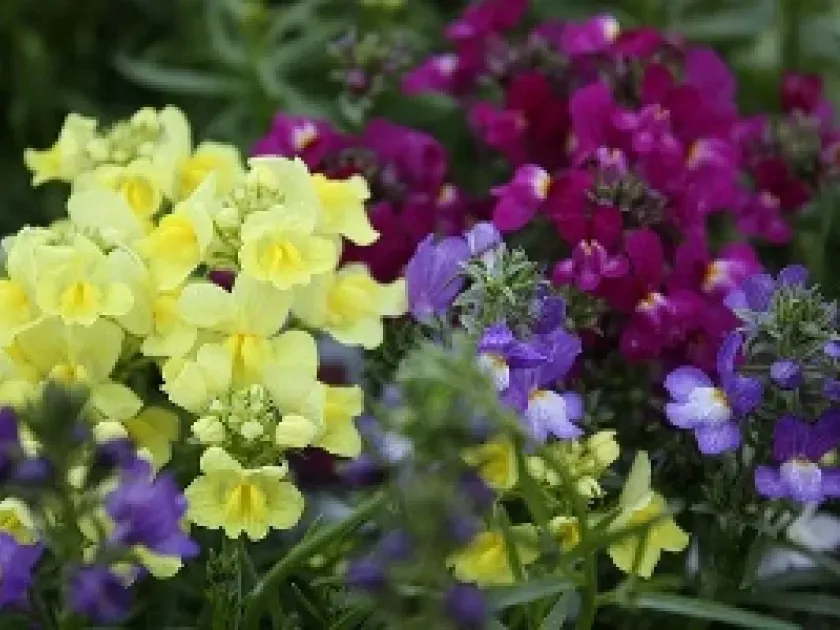
Description
Sowing dates
Linaria hybrids belong to the Plantaginaceae family and are popular ornamental plants known for their vibrant, snapdragon-like blooms. They are widely cultivated as annuals in various gardening styles.
Sowing in open ground usually occurs in mid-spring, once the soil has warmed up. The seeds are very fine and should be sown shallowly, barely covering them with a thin layer of soil.
For earlier flowering, seeds can be started indoors in seed trays about six to eight weeks before the last expected frost date. This ensures strong seedlings are ready for transplanting.
Light is essential for germination, so seedlings should not be buried deep. A warm location with plenty of indirect sunlight will promote faster germination and healthy growth.
Thinning the seedlings is crucial to prevent overcrowding. Maintaining a space of approximately 15 to 20 centimeters between plants allows for optimal growth and better airflow.
Growing requirements
Linaria hybrids thrive in sandy or well-drained loamy soils. They are remarkably adapted to poor soil conditions where many other ornamental species struggle to survive.
The plants are highly drought-tolerant once established. Overwatering is a common mistake that can lead to root system decay, so a moderate watering schedule is recommended.
Full sun is essential for the best display of colors. While they can handle light partial shade, their flowering density and stem strength are significantly reduced in low light.
Temperature-wise, these plants prefer cool to moderate conditions. They can tolerate slight fluctuations in weather but prefer stable, well-aerated environments to bloom continuously.
Minimal fertilizer is required. A light application of balanced granular fertilizer during the early vegetative stage is usually sufficient to support the plant throughout the season.
Main diseases and pests
The most common disease threat is root rot, typically caused by waterlogged soil. Proper drainage remains the primary defense against such fungal complications.
Powdery mildew may occur if planting density is too high or if the air humidity remains persistently high. Proper spacing between plants mitigates this risk significantly.
Aphids are the most frequent insect pests. They tend to cluster on soft, new growth, and can be managed with insecticidal soap or targeted biological controls.
Spider mites might appear during hot, dry spells. Regular inspection of the underside of leaves helps in detecting and managing these pests before they spread.
Good garden hygiene, such as removing dead foliage and cleaning up plant debris after the season, effectively breaks the lifecycle of many pathogens and overwintering pests.