
Hairy toadflax
Linaria hirta
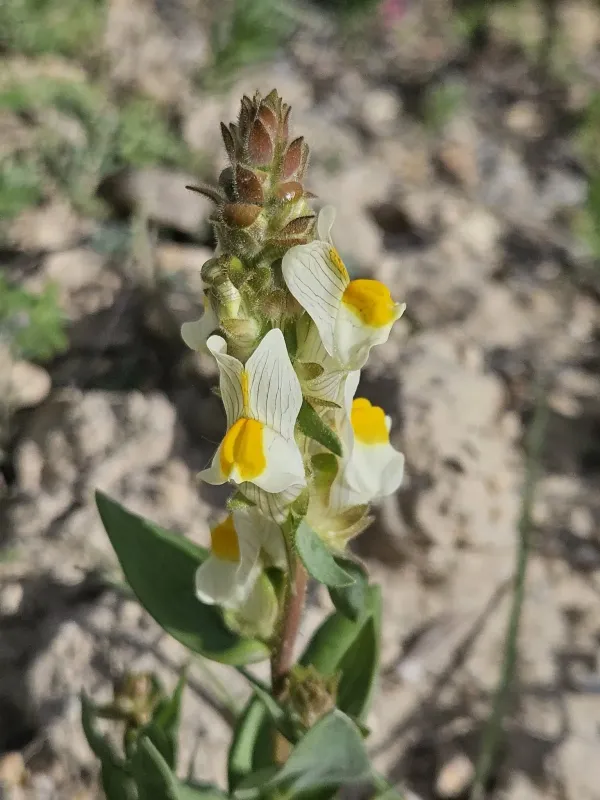
Description
Sowing dates
Hairy toadflax (Linaria hirta) belongs to the Plantaginaceae family and is recognized as an annual herbaceous plant with distinct botanical properties.
Sowing should be performed in early spring when the soil has sufficiently warmed, typically reaching temperatures above 10°C.
Seed depth is critical; due to the small size of the seeds, they should be placed shallowly to ensure proper contact with the soil profile.
Crop density must be carefully calculated to minimize competition for nutrients and solar radiation between individual plants.
Field preparation involves primary tillage to eliminate weeds, which are highly competitive with toadflax during the initial germination phase.
Growing requirements
The plant thrives in well-aerated, sandy-loam soils that prevent waterlogging and ensure excellent drainage during wet seasons.
Exposure to full sunlight is essential for the development of healthy plants, as shade tends to weaken stem integrity.
The soil pH should ideally remain within the neutral to slightly alkaline range to optimize the availability of micronutrients.
During the growing season, moderate irrigation is beneficial, particularly during the flowering stage, to support optimal biomass production.
Adaptation to various climatic conditions makes it a resilient crop, provided it is grown in environments with sufficient daylight hours.
Main diseases and pests
Fungal pathogens such as powdery mildew represent the primary biological threat, especially in areas with poor ventilation.
Insect pests including aphids and various lepidopteran larvae can cause significant damage to foliage and developing inflorescences.
Root system pests, particularly in poorly drained soils, can cause rapid wilting and plant death across entire field patches.
- Integrated pest management strategies should include both biological controls and targeted chemical interventions.
- Monitoring for early signs of leaf discoloration helps in preventing widespread disease outbreaks.
Maintaining crop hygiene and removing crop residues at the end of the season effectively reduces the survival rate of common pathogens.