
Pale toadflax
Linaria haelava
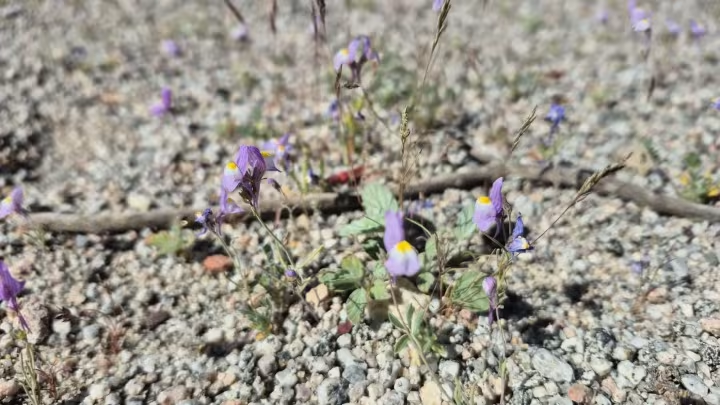
Description
Growing requirements
Pale toadflax (Linaria haelava) is a perennial herbaceous plant belonging to the Plantaginaceae family. It is well-adapted to arid environments, featuring deep root systems that maximize moisture extraction in nutrient-poor and dry soil conditions.
The plant is native to dry grasslands, sandy slopes, and rocky terrains where it receives full solar exposure. It thrives in well-aerated, free-draining soils and is notably resistant to salinity, making it an interesting candidate for ecological land restoration.
Climatic requirements focus on high temperature tolerance and a preference for low to moderate precipitation. It is highly suited for Mediterranean and semi-arid climates where typical crops might struggle with water scarcity.
Agricultural techniques for this species prioritize the avoidance of waterlogging. Since the plant is naturally adapted to sparse nutrient availability, excessive nitrogen fertilization should be avoided to prevent leggy growth and increased susceptibility to damage.
Effective management includes regular monitoring for invasive weed pressure during the seedling stage. Once established, the species shows remarkable resilience and can outcompete many seasonal weeds in its preferred ecological niche.
Main diseases and pests
The primary threats to Linaria haelava are fungal pathogens related to root rot, which develop under conditions of poor drainage and prolonged high humidity. Preventing stagnant water is the single most important factor in maintaining healthy crops.
Insects that consume foliage are the most common pests. While the plant possesses natural chemical defenses, severe outbreaks can impact biomass production. Integrated Pest Management (IPM) strategies, such as biological control, are preferred over broad-spectrum pesticides.
Weed competition represents a major threat during the crop's establishment period. Manual weeding or light mechanical cultivation is recommended to protect the young sprouts until they reach a stage of sufficient vegetative maturity.
Soil-borne diseases can be mitigated by careful site selection and ensuring that previous plantings did not share similar pathogenic vulnerabilities within the Plantaginaceae family.
Periodic inspection of the leaf surface and stem bases is recommended to detect any signs of infestation or necrosis. Early identification allows for localized intervention, preventing the necessity of widespread chemical application across the field.