
Linaria glauca
Linaria glauca
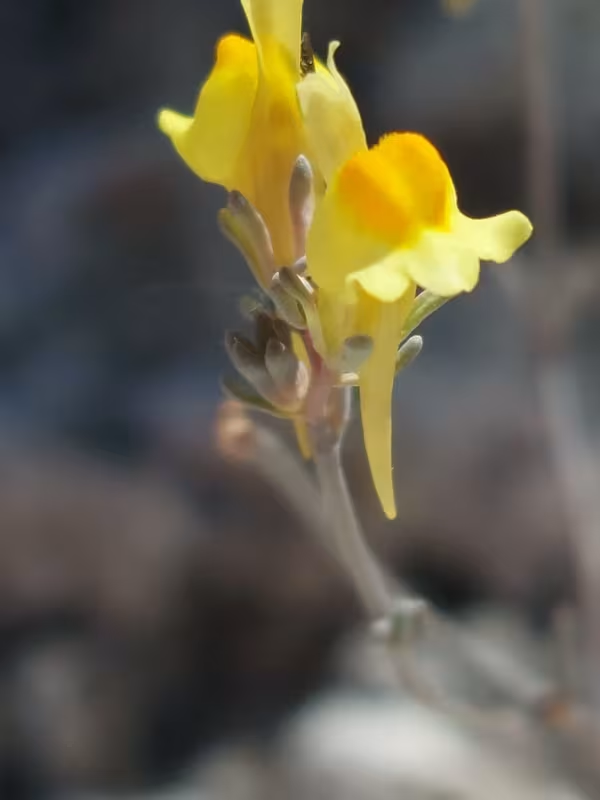
Description
Sowing dates
Linaria glauca, a member of the Plantaginaceae family, is a specialized crop that requires careful site selection and precise timing for establishment from seeds.
Sowing should take place in early spring, once the soil has warmed up, to ensure that the delicate seedlings are not exposed to late-season frost damage.
Seeds should be sown at a shallow depth, barely covered with fine soil, as they require light to break dormancy and stimulate successful germination process.
Proper spacing is essential for this species to develop strong stems and an extensive root system, which helps the plant withstand subsequent environmental stresses.
Given the specific light requirements of the seeds, using a high-quality, fine-textured seedbed is recommended to ensure consistent moisture without burying the seeds too deep.
Growing requirements
This species thrives in open, sunny locations where it can receive maximum solar exposure throughout the day, which is crucial for maintaining its distinct glaucous foliage color.
Well-drained, sandy or gravelly soils are ideal for Linaria glauca, as they prevent water accumulation in the root zone, which the plant is highly sensitive to.
It is remarkably drought-tolerant, making it an excellent candidate for regions where water resources are limited and high-temperature stress is a common limiting factor.
The plant is adapted to nutrient-poor soils; in fact, overly fertile soils can be detrimental, leading to leggy growth and increased susceptibility to various pathogens.
A neutral or slightly alkaline pH level is preferred to ensure optimal nutrient uptake and general plant vigor throughout the main growing season.
Main diseases and pests
The primary threats to Linaria glauca involve fungal infections caused by excessive humidity, such as root rot and stem decay, which often result from poor soil drainage.
Insect pests, including aphids and various lepidopteran larvae, can occasionally damage the foliage, especially during hot, dry spells when the plant's metabolic activity slows.
Preventative management is key, focusing on maintaining appropriate plant density to allow for air circulation, which reduces the humidity around the leaf surfaces.
Integrated pest management strategies, such as biological control agents or targeted applications of soft insecticides, are advised to maintain the health of the cultivation.
Regular monitoring for early signs of mildew or localized wilting allows for prompt intervention, helping to preserve the overall yield and aesthetic quality of the planting.