
Linaria glacialis
Linaria glacialis
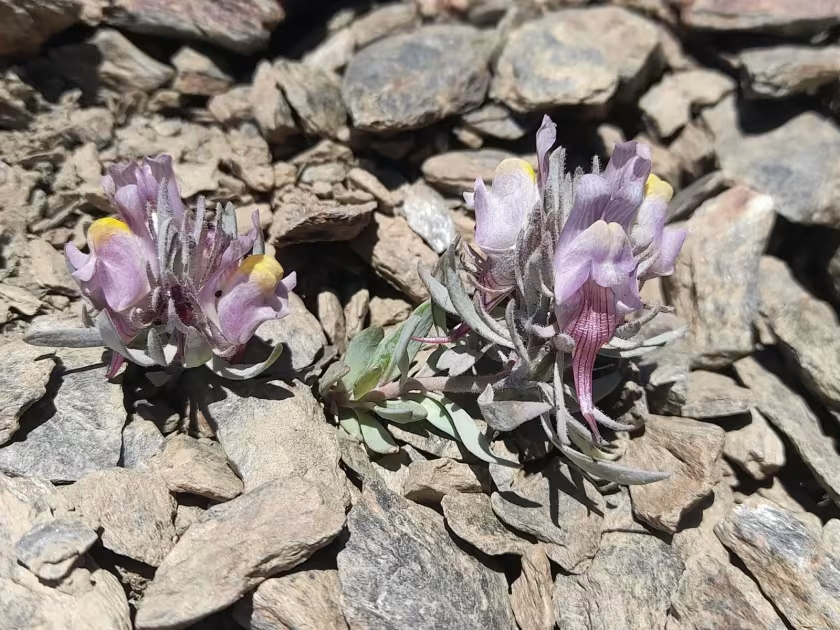
Description
Growing requirements
Linaria glacialis is a specialized herbaceous plant belonging to the Plantaginaceae family. It is recognized as a rare high-altitude perennial, specifically adapted to the harsh conditions of glacial and sub-nival zones.
The plant originates from remote mountain ranges where it thrives in rocky debris and sandy slopes. Its evolutionary history is deeply linked to the survival in cryogenic environments with very limited growing seasons.
Botanically, it features a low-profile, cushion-like habit, which helps protect it against freezing winds. The narrow leaves and distinctively shaped flowers are specialized for high-elevation insect pollination, ensuring reproductive success in extreme climates.
For cultivation, the species requires excellent drainage and mineral-rich substrates. It is essential to replicate its natural habitat by using rocky or sandy mixes, as the plant cannot tolerate standard fertile garden soils that retain excessive moisture.
While not a traditional agricultural crop, Linaria glacialis is highly valued in botanical research and specialized alpine horticulture. Its extreme cold tolerance and low-nutrient requirement make it an interesting subject for genetic studies concerning environmental adaptation.
Main diseases and pests
The primary threats to Linaria glacialis include habitat fragmentation and shifts in mountain climate patterns. In cultivation, improper irrigation practices often lead to catastrophic root system failure due to pathogens.
Pests are generally limited in the plant’s natural high-altitude environment, but under greenhouse conditions, it can become susceptible to common sap-sucking insects like aphids or mites, necessitating careful pest management.
Fungal pathogens represent a significant danger, especially if the plants are kept in environments with poor air circulation. High humidity and static air often trigger the rapid development of damping-off diseases that destroy the plant base.
To prevent disease, it is recommended to maintain a very dry climate around the foliage and use inorganic mulches such as volcanic stone or grit. This reduces the risk of soil-borne diseases and prevents foliage from resting on damp surfaces.
Due to its rarity, the cultivation of this species should always prioritize conservation. Research efforts are currently focused on ex-situ preservation and understanding the specific mycorrhizal associations that might support its growth.