
Linaria genistifolia
Linaria genistifolia
Description
Growing requirements
Linaria genistifolia, commonly known as broom-leaved toadflax, is a perennial herbaceous plant belonging to the Plantaginaceae family. It is characterized by a vigorous root system and the ability to reproduce effectively via rhizomes, allowing it to colonize new areas rapidly.
The plant is native to a broad range of Eurasian environments, spanning from Central Europe to parts of Central Asia. It thrives in open, sunny habitats, including dry meadows, sandy soils, and disturbed agricultural lands where competition for resources is manageable.
Regarding climatic requirements, the plant demonstrates remarkable drought resistance and an ability to withstand extreme summer temperatures. Its deep-reaching root system allows it to maintain growth even when the upper soil layers are critically dry.
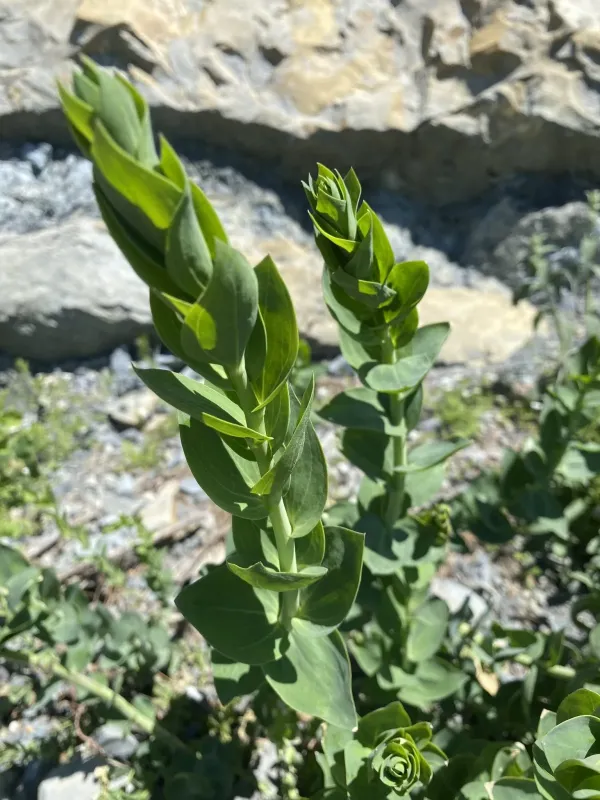
Botanically, the plant features erect, glabrous stems that can grow up to one meter in height, adorned with lanceolate, glaucous leaves. Its flowers are typically yellow, featuring the characteristic spurred shape of the Linaria genus, which attracts a wide array of pollinators.
In modern agricultural practice, it is largely classified as an invasive weed; however, its ecological role as a nectar source and its potential for soil stabilization in arid, degraded landscapes remain areas of interest for environmental management.
Main diseases and pests
The plant is susceptible to several fungal diseases, particularly powdery mildew, which can affect the foliage during periods of high humidity. While these diseases may weaken the plant, they rarely cause total population collapse due to the resilience of the underground rhizomes.
Insect pests include various leaf-feeding beetles and moth larvae specialized on Plantaginaceae. While these pests can cause significant damage to the plant's aerial parts, they typically do not hinder the survival of established root systems.
As a weed in cultivated fields, its main threat is the competition for water and soil nutrients, which can lead to reduced yields in crops like wheat or barley. Efficient management requires early detection and integrated control measures.
Chemical control is complicated by the plant's waxy leaf cuticle, which reduces the absorption of herbicides. The use of surfactants is often recommended to increase the efficacy of systemic treatments applied to the leaves.
Mechanical destruction is largely ineffective if the roots are not removed or killed, as even minor fragmentation can stimulate regrowth. Integrated strategies involving competitive crop varieties and precision herbicide application remain the most reliable approach for field maintenance.