
Linaria elegans
Linaria elegans
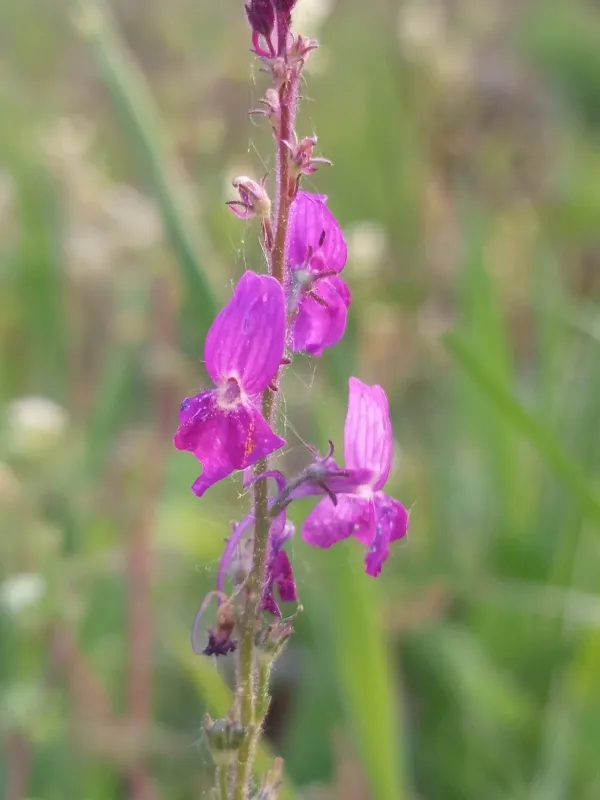
Description
Sowing dates
Direct seeding of Linaria elegans is best performed in early spring, once the soil has warmed up sufficiently to ensure uniform and rapid germination.
When starting indoors, seeds should be sown in late winter using a light, well-draining potting mix to ensure healthy root development before transplanting.
Seeds are extremely small and should not be buried deep; pressing them lightly into the surface of the soil is sufficient to initiate the growing process.
Spacing is critical for this species, as overcrowding can lead to poor air circulation and increased susceptibility to various fungal diseases during growth.
Regular monitoring of moisture levels during the germination phase is essential, as the seeds require consistent hydration to successfully break dormancy.
Growing requirements
Linaria elegans is a member of the Plantaginaceae family and thrives in full sun, requiring at least six to eight hours of direct light daily for best results.
The plant prefers sandy or rocky, well-drained soil types and is highly adapted to nutrient-poor environments where other garden flowers might struggle.
This species is notably drought-tolerant once established, making it a reliable choice for low-maintenance landscapes, xeriscapes, and rocky garden beds.
Soil pH should ideally be neutral or slightly acidic; heavy, clay-based soils should be amended with organic matter or sand to improve drainage and aeration.
Proper weed management is necessary during the early stages of plant growth to ensure that seedlings have enough access to essential sunlight and nutrients.
Main diseases and pests
Excessive soil moisture is the primary threat to the health of Linaria elegans, often leading to root rot and other moisture-related fungal pathogens.
Aphids can occasionally infest the stems and leaves, causing stunted growth and reducing the overall aesthetic quality of the ornamental flower spikes.
Preventative measures include ensuring proper plant spacing and avoiding overhead irrigation, which keeps the foliage dry and reduces disease risk.
If pest populations reach damaging levels, targeted applications of horticultural soaps or neem oil are effective and minimize the impact on beneficial insects.
Consistent observation of the plant canopy allows for early detection of potential threats, ensuring that localized treatments can resolve issues promptly.
Harvesting
The primary use for Linaria elegans is within ornamental horticulture, valued for its delicate, orchid-like flowers and prolonged flowering season.
Deadheading faded blooms is an effective technique for extending the flowering period and encouraging the plant to produce a secondary flush of color.
Seeds should be collected once the capsules turn brown, dried in a cool and airy place, and stored in a dry environment until the next growing season.
This plant is frequently integrated into rock gardens, borders, and meadow-style plantings due to its resilience and visual appeal in arid conditions.
Beyond its landscape utility, the flowers provide an excellent source of nectar for local pollinators, making them a beneficial addition to garden ecosystems.