
Linaria diffusa
Linaria diffusa
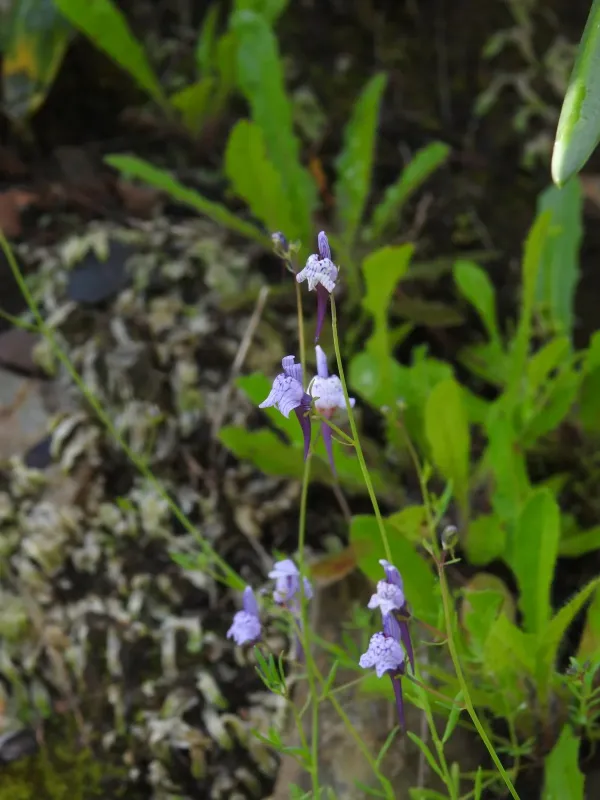
Description
Sowing dates
Linaria diffusa, a member of the Plantaginaceae family, requires specific sowing techniques to ensure successful germination. For best results, seeds should be sown in late autumn, allowing for natural stratification during winter months.
If spring sowing is preferred, seeds must undergo cold stratification at temperatures around 4-5 degrees Celsius for approximately one month. This process is crucial to break seed dormancy.
The seeds are exceptionally small and should be sown on the surface or covered with a very thin layer of fine soil. Providing light is essential, as Linaria seeds typically require exposure to light for optimal germination.
Once seedlings emerge, thinning is necessary to provide adequate space between plants, preventing overcrowding and ensuring sufficient airflow to minimize the risk of damp-off.
Sowing in well-drained, sandy-based substrates helps establish a robust root system early in the plant's development cycle, which is critical for long-term health.
Growing requirements
Linaria diffusa thrives in full sun conditions. Exposure to direct sunlight is vital for maintaining the plant's natural structure and ensuring the chemical composition of its tissues remains stable.
The plant requires well-drained, nutrient-poor soil. Heavy soils that retain excessive moisture are detrimental to the root system and should be avoided or amended with sand or gravel.
Drought tolerance is a hallmark of this species once it is established. It is well-adapted to environments with intermittent rainfall, making it a resilient choice for managed landscapes.
The soil pH should be maintained between 6.0 and 7.5. Extremely acidic environments may lead to stunted growth and reduced flower production, which is a common issue in degraded soils.
Regular cultivation of the top layer of soil helps improve aeration and eliminates weeds, which can compete with the young plants for resources in the early stages of growth.
Main diseases and pests
The main threats to Linaria diffusa are fungal diseases related to excess moisture, such as powdery mildew and stem rot. These occur primarily in poorly ventilated or excessively damp conditions.
To combat fungal infections, gardeners should ensure proper spacing between individual plants and avoid overhead watering that keeps the foliage wet for extended periods.
Pests such as aphids and spider mites can occasionally affect the plant, particularly in sheltered or warm, dry conditions. Early detection is key to preventing large-scale infestation.
Root rot is the most serious threat, usually caused by stagnant water in the soil. Maintaining a strict drainage strategy is the most effective preventative measure against this type of loss.
Biological control agents, such as ladybugs, can be encouraged to manage aphid populations naturally, reducing the need for chemical intervention that might damage the plant's delicate blooms.