
Chalk toadflax
Linaria cretacea
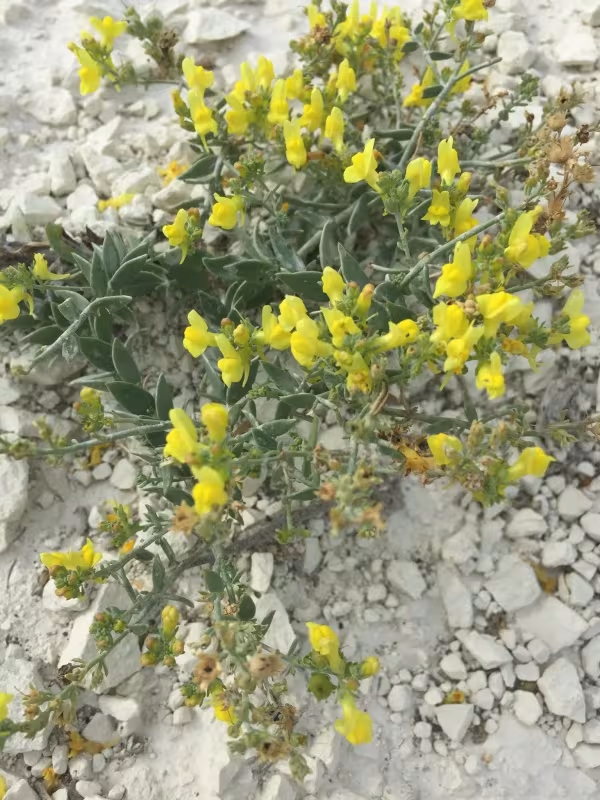
Description
Growing requirements
Chalk toadflax (Linaria cretacea) is a rare perennial herbaceous plant belonging to the Plantaginaceae family. It is an obligate calciphile, occurring naturally only on specific chalk outcrops within steppe ecosystems.
The plant has a specialized root system capable of extracting nutrients from highly alkaline, calcium-rich soils that are poor in nitrogen. Its natural range is concentrated in regions characterized by exposed cretaceous deposits.
In terms of agricultural status, this plant is classified as a wild species of ecological interest rather than a crop. It requires high solar irradiance and well-drained substrate to complete its vegetative cycle successfully.
The botanical structure of Linaria cretacea is adapted to tolerate extreme evaporation rates. Its leaves and stems possess features that reduce water loss, allowing the plant to thrive in the harsh environment of open chalk slopes.
Cultivation of this species outside its native habitat is extremely challenging and generally unsuccessful. It requires the precise mimicking of natural chalk-based soil composition and specific microclimate conditions to survive in greenhouse settings.
Main diseases and pests
The primary threat to the stability of Linaria cretacea populations is the destruction of its habitat due to chalk mining activities. Such industrial actions completely remove the essential substrate required for the plant's growth.
Overgrazing by livestock contributes to soil erosion and physical degradation of the fragile chalk slopes. Additionally, the introduction of invasive plant species often leads to the displacement of native Linaria populations.
Pathogenic threats include fungal infections that develop under conditions of abnormal moisture retention. These diseases can rapidly spread through restricted populations, leading to significant loss of plant vitality.
Insect pests, particularly larvae of specialized moths, feed on the reproductive parts of the plant. High levels of pest infestation can limit seed production and prevent the natural regeneration of the species.
Conservation efforts remain the only reliable method to protect this plant. Limiting human access to sensitive areas and managing the surrounding landscape are essential to prevent the extinction of this rare species.