
Linaria clementei
Linaria clementei
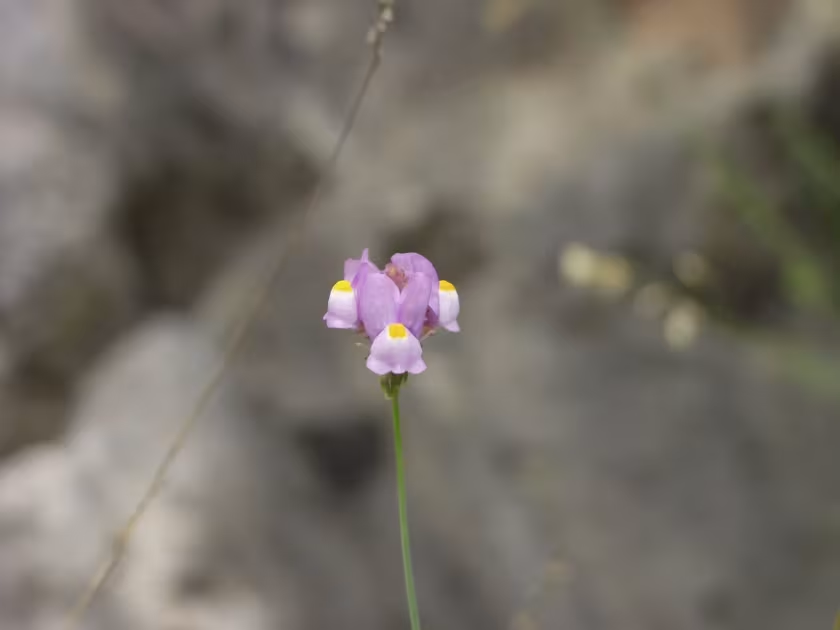
Description
Sowing dates
Linaria clementei is a distinct species belonging to the Plantaginaceae family. It is endemic to the limestone mountainous regions of southern Spain, specifically in Andalusia, where it thrives in specialized niches.
The sowing process begins in early spring. The seeds are small and require specific cold stratification to break dormancy. For cultivation, it is recommended to sow seeds in containers before transplanting them to permanent locations.
The ideal growing medium should be highly permeable, mimicking the rocky, calcareous substrates of its native habitat. A mixture of gravel, sand, and a minimal amount of compost ensures the necessary drainage.
When sowing, avoid deep burial of the seeds. They need light to germinate efficiently; therefore, pressing them slightly into the surface of the growing medium is sufficient for successful establishment.
Consistency in moisture during the initial germination phase is crucial, but it must be balanced carefully. As soon as the seedlings develop their first true leaves, the frequency of watering should be reduced to encourage robust root development.
Growing requirements
This species requires full sun exposure to flourish. Providing a site with maximum daily light duration is essential for achieving the plant's characteristic compact growth habit and prolific blooming cycle.
Linaria clementei is well-adapted to poor, rocky soils. In fact, cultivating this plant in highly fertile soil can be detrimental, leading to etiolated stems and increased susceptibility to fungal diseases.
The plant demonstrates excellent tolerance to periodic drought. It is classified as a xerophytic-leaning species, making it an excellent candidate for dry gardens, rockeries, and Mediterranean-style landscaping.
Soil pH should ideally be neutral to slightly alkaline. If the native soil in your garden is acidic, incorporating crushed limestone or dolomite lime will help recreate the mineral environment the plant requires for nutrient uptake.
Temperature management is generally straightforward as the plant is adapted to Mediterranean mountain ranges. It handles fluctuations well but requires protection from excessive, stagnant humidity during the hot summer months.
Main diseases and pests
Root rot is the most common threat to Linaria clementei. It is almost exclusively caused by waterlogging in the root zone. Ensuring excellent drainage through soil modification is the best preventative strategy.
Fungal infections, such as powdery mildew, may affect the foliage if there is poor air circulation. Placing plants in open, breezy areas is recommended to mitigate this risk throughout the growing season.
Pests like aphids can colonize the succulent-like shoots during the peak of the growth season. Inspection of the plant's tips and leaves is necessary for early detection and manual removal or treatment.
Slugs and snails represent a significant threat to young plants and new growth. Barrier methods, such as copper tape or crushed eggshells, provide an effective and non-toxic way to protect the crop.
Integrated pest management (IPM) is the best approach for this species. By maintaining proper plant health and avoiding excessive fertilization, the plant's natural defenses remain strong against most environmental stressors.