
Aleppo toadflax
Linaria chalepensis
Description
Sowing dates
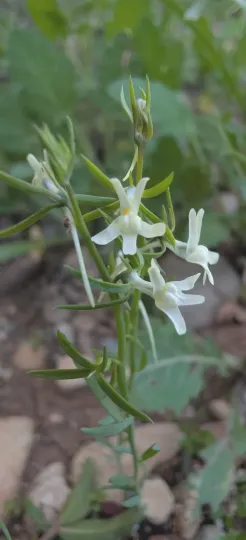
Aleppo toadflax is an annual herbaceous plant whose life cycle is primarily adapted to winter and early spring conditions. In many agricultural systems, it acts as a significant weed in autumn-sown cereals, emerging alongside the main crop.
The germination of seeds is triggered by moderate temperatures and sufficient soil moisture. Effective management relies on understanding the timing of these cycles to implement mechanical control methods before the plant reaches the reproductive phase.
Crop rotation serves as a fundamental agricultural strategy to reduce the presence of this weed in fields. Alternating crops with different seasonal cycles helps prevent the buildup of seeds in the soil seed bank over consecutive years.
Proper seedbed preparation, including timely cultivation, is essential to destroy weed seedlings in the initial stages. This simple intervention significantly reduces the competitive pressure on the primary crop during its early development.
The selection of competitive crop varieties that establish a dense canopy early in the season is a proactive way to suppress Aleppo toadflax. Shading inhibits the growth of the weed, limiting its access to necessary sunlight and nutrients.
Growing requirements
Linaria chalepensis thrives in open, sun-exposed areas with well-drained, fertile soil. It is often found in disturbed habitats, roadsides, and areas with alkaline or carbonate-rich soil characteristics.
The plant demonstrates notable resilience to drought, allowing it to persist in arid or semi-arid agricultural zones. Its ability to extract moisture efficiently makes it a formidable competitor in regions where water availability is a limiting factor.
While adaptable to various soil types, the plant shows a preference for light, aerated soils. Compaction or waterlogged conditions typically inhibit its development, providing a clear hint for site-specific management strategies.
Nutrient management, through precise fertilizer application, supports the vigor of crop plants. A healthy, rapidly growing crop is the most effective biological defense against the encroachment of toadflax populations.
Maintaining cleanliness of agricultural machinery when moving between different fields is crucial. Seed dispersal often occurs via equipment, so sanitation protocols are essential to prevent the spread of the weed to uninfested land.
Main diseases and pests
Aleppo toadflax may act as a host for various pathogens and pests that affect related crop species. Monitoring these relationships is vital to ensure that the weed does not become a bridge for field infections.
Fungal diseases, such as powdery mildew or rust, can potentially transfer from infected toadflax populations to adjacent crops under favorable humidity conditions. Regular scouting is required to identify these risks early.
Insects and generalist pests may use the plant as a refuge or food source. If a large infestation of toadflax is present, it increases the overall risk of insect outbreaks within the farm environment, requiring vigilant management.
Chemical control utilizing selective herbicides is the primary method for managing outbreaks in large-scale agriculture. The timing of herbicide application should be chosen to coincide with the most sensitive growth stages of the weed.
Integrated Weed Management (IWM) is the recommended approach to address the threats posed by Aleppo toadflax. By combining physical, chemical, and cultural methods, farmers can achieve long-term control and protect crop yield quality.