
Linaria caesia
Linaria caesia
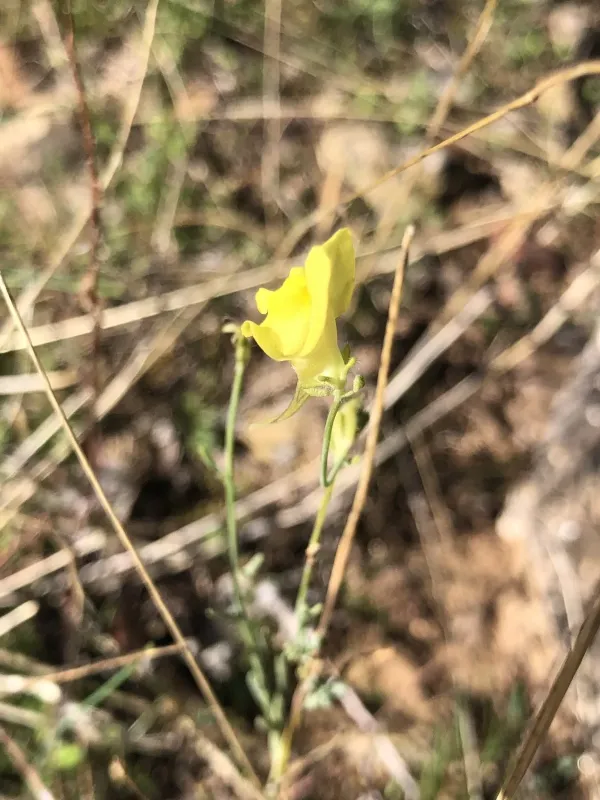
Description
Growing requirements
Linaria caesia is a perennial herbaceous plant belonging to the Plantaginaceae family. While not a conventional staple crop, it is gaining interest in specialized agriculture for its resilience and potential use in phytoremediation and dry-land landscaping projects.
The plant originates from Mediterranean regions, where it has evolved to thrive in harsh, sun-drenched environments. Its natural habitat includes rocky slopes and sandy soils, reflecting its high tolerance for poor nutrient availability and intense solar radiation.
Regarding soil requirements, Linaria caesia demands excellent drainage. It performs best in neutral to slightly alkaline, light-textured soils. Heavy or clay-based soils that retain excessive moisture are detrimental to the root system and must be avoided for optimal yield.
The botanical characteristics of this species include a distinctive glaucous, waxy coating on the foliage. This feature acts as an adaptation to minimize water loss through transpiration, allowing the plant to sustain metabolic activity during prolonged drought.
Cultivation requires full sun exposure. Even partial shade can lead to stunted growth and reduced robustness. The agrotechnology should focus on sparse irrigation, mimicking natural rainfall patterns to maintain the plant's structural integrity and physiological balance.
Main diseases and pests
Root rot represents the most significant threat to Linaria caesia, primarily triggered by poor soil aeration and waterlogging. Once the root system is compromised by fungal pathogens, recovery is often impossible, necessitating immediate removal of the affected plants.
Leaf-eating insects, including specific beetles and lepidopteran larvae, can cause significant damage during the vegetative stage. Integrated pest management strategies are advised to prevent widespread defoliation, which hampers the plant's ability to store energy.
Powdery mildew may occur when environmental conditions involve high humidity combined with stagnant air. This fungal disease creates a white dust-like coating on leaves, impairing photosynthetic efficiency and weakening the plant's overall defense mechanisms.
Aphids often target the tender shoots and floral buds during the flowering phase. These pests not only suck sap but also act as vectors for various viral diseases, making consistent monitoring and timely intervention crucial for crop health.
Crop management practices must emphasize preventive measures such as appropriate plant spacing and weed control. By fostering an environment with optimal ventilation, growers can significantly reduce the pressure from both fungal pathogens and insect infestations.