
Bieberstein toadflax
Linaria biebersteinii
Description
Growing requirements
Bieberstein toadflax, scientifically known as Linaria biebersteinii, belongs to the Plantaginaceae family. This perennial herbaceous plant is native to arid and semi-arid regions, showing exceptional adaptation to rocky and saline environments.
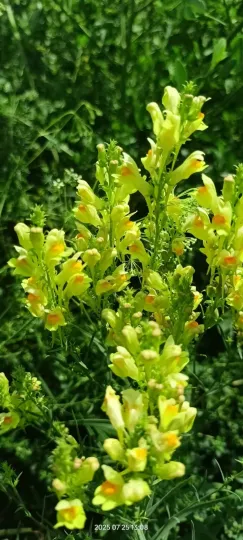
The plant is characterized by a robust taproot system that ensures stability and moisture access in poor soils. Its morphological structure includes erect stems and dense racemes of yellow flowers, which are typical for the Linaria genus.
Optimal growth requires well-drained, sandy, or stony soil conditions with full sun exposure. It is highly drought-tolerant and cannot withstand waterlogged soils, which makes site selection the most critical factor for successful cultivation.
Climate adaptability is one of its primary strengths, as the plant can withstand severe temperature fluctuations, including harsh winters and hot, dry summers. This makes it a resilient candidate for agricultural trials in continental zones.
Economically, the species is valued for its potential in medicinal research and ornamental landscaping. Research into its biochemical properties, such as the concentration of flavonoids, remains an area of active agricultural interest.
Main diseases and pests
Fungal pathogens are the primary concern for Bieberstein toadflax. Root rot is frequently reported in fields where soil drainage is inadequate, leading to plant decay during periods of high humidity.
Insect pests such as aphids and spider mites can damage foliage, particularly during the vegetative phase. In some regions, specific weevils may target the seed pods, potentially reducing the overall quality of the harvest.
Effective management includes consistent weed control and monitoring for early signs of disease. Establishing an adequate plant spacing is essential to ensure proper air circulation and reduce the risk of mold and rot.
Cultural control methods, such as crop rotation and avoiding over-fertilization with nitrogen, help maintain plant vigor. Maintaining soil health is crucial to support the plant’s natural defense mechanisms against localized outbreaks.
Integrated pest management strategies should be applied only when necessary. Prioritizing biological controls and maintaining sanitation in the field are effective ways to protect the crop while preserving environmental safety.