
Washington Lily
Lilium washingtonianum
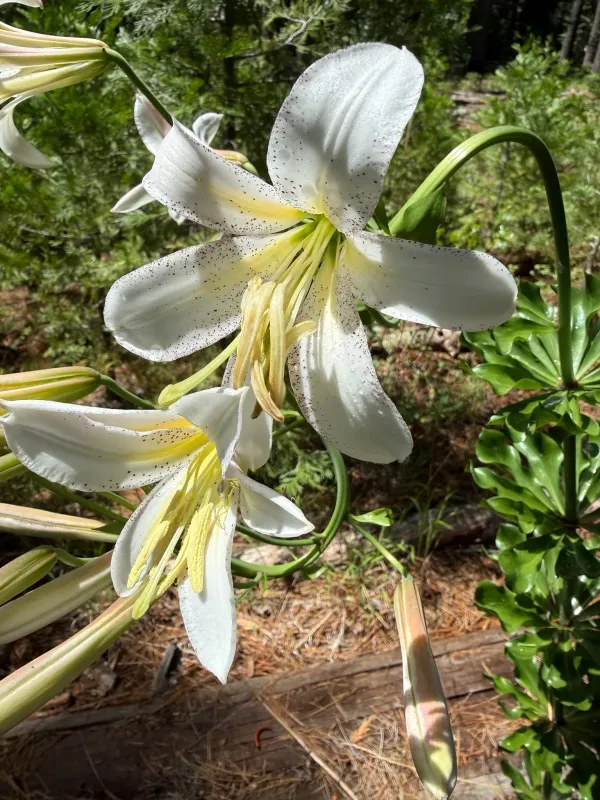
Description
Growing requirements
The Washington Lily (Lilium washingtonianum) is a herbaceous perennial belonging to the Liliaceae family. It is native to the western United States, specifically the mountainous forests of Oregon and California, where it thrives in well-drained, porous soils.
Botanically, this species is distinguished by its impressive height, often reaching 80 to 200 cm, and its spectacular large, trumpet-shaped flowers. The blossoms are highly fragrant and possess a unique color-changing trait, shifting from white to pinkish-lilac as they age.
Cultivation requirements are strict due to the plant's sensitivity to soil conditions. It demands excellent drainage and a loose, organic-rich substrate, mimicking the forest floor environment of its natural habitat in the Cascade and Sierra Nevada ranges.
Climate needs include a cool, temperate environment with a clear dormancy period. The plant prefers partial shade, which prevents the flowers from fading too quickly and keeps the roots cool during the heat of the summer months.
When incorporating this species into a landscape, gardeners should avoid disturbing the bulbs. The Washington Lily is known for being temperamental and slow to establish, often requiring several years of stable conditions to reach peak flowering maturity.
Main diseases and pests
Fungal diseases are the primary threat to the Washington Lily, particularly grey mold (Botrytis), which thrives in stagnant, humid conditions and quickly destroys foliage and flower stalks.
Root rot, caused by excessive moisture or poor drainage, remains the most frequent cause of bulb death. Ensuring a sandy or rocky substrate is critical to mitigate these risks in domestic garden settings.
Pests such as the lily leaf beetle can cause significant damage by defoliating the stems. Regular visual inspections during the growing season are necessary to prevent infestations from spreading.
Soil-dwelling pests, including various species of bulb mites and wireworms, can damage the underground scales, providing entry points for secondary bacterial infections that lead to plant decline.
Viral mosaic diseases, typically transmitted by aphids, pose a severe threat as they are systemic and irreversible. Strict vector control and the removal of infected plants are the only effective management strategies.