
Lilium oxypetalum
Lilium oxypetalum
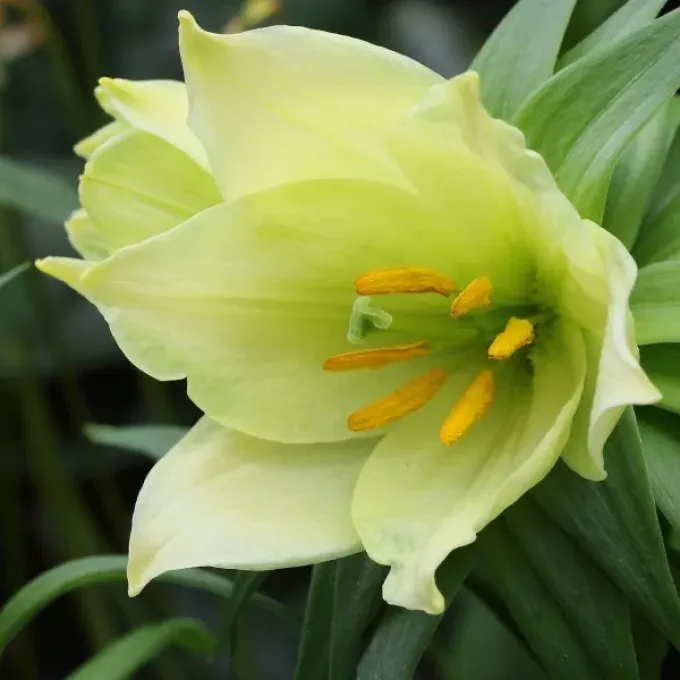
Description
Growing requirements
Lilium oxypetalum is a perennial bulbous plant belonging to the Liliaceae family. Native to the Himalayan region, it is a high-altitude species that thrives in rocky slopes and alpine meadows, typically at elevations between 3000 and 4500 meters.
Cultivating this species requires conditions that mimic its natural mountain habitat. It prefers cool temperatures throughout the growing season and cannot tolerate intense, prolonged heat, which often leads to dormancy or plant collapse.
The soil must be exceptionally well-drained and gritty. A mixture containing organic matter balanced with perlite or gravel is ideal. Proper drainage is the most critical factor, as moisture stagnation around the bulb is the primary cause of rot.
Light requirements for Lilium oxypetalum involve bright, indirect sunlight. While it needs plenty of energy for blooming, shielding the plant from the scorching afternoon sun is essential to maintain soil temperature and moisture balance.
Regular but careful watering is necessary during the growth phase. It is vital to ensure that the medium dries slightly between waterings, preventing the root system from becoming waterlogged, which is particularly dangerous in heavy soil structures.
Main diseases and pests
Fungal pathogens, particularly those causing bulb rot and basal rot, represent the most significant threat to Lilium oxypetalum. High humidity levels combined with poor airflow significantly increase the risk of these diseases.
Pests like lily beetles are a common nuisance, as they feed voraciously on the foliage and reproductive parts of the lily. Regular inspections and manual removal of larvae are effective strategies for small-scale cultivation.
Viral infections, often spread by aphids, can cause systemic damage to the plant. These viruses cause mottling of the leaves and stunted growth, and once a plant is infected, it is usually necessary to destroy it to protect the rest of the collection.
Nematodes residing in the soil can attack the root system, causing yellowing and premature decline. Using sterile growing media and certified pathogen-free bulbs is the most effective way to prevent such infestations.
Inappropriate winter protection can also be a threat; while the plant is alpine-hardy, it requires well-drained soil during the dormant winter period to avoid the freezing of accumulated water, which could split the bulb scales.