
Kesselring's lily
Lilium kesselringianum
Description
Growing requirements
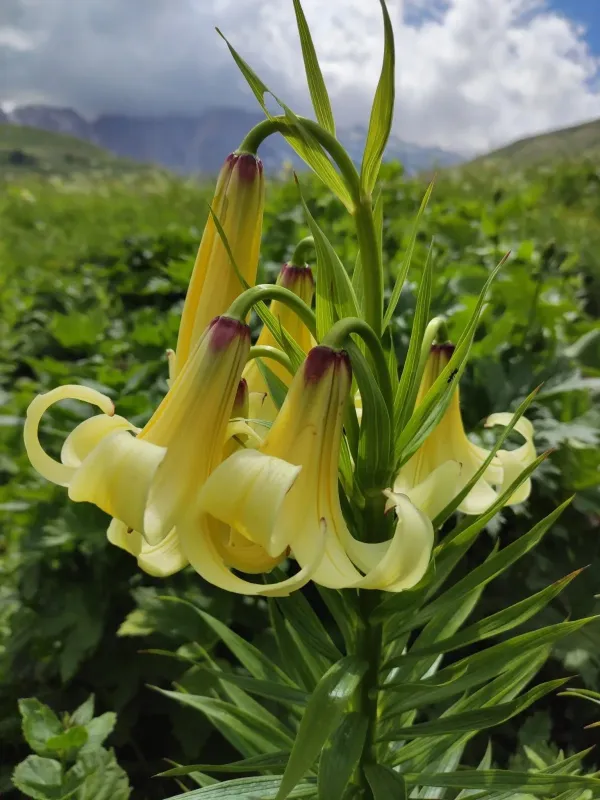
Kesselring's lily (Lilium kesselringianum) is a unique perennial species belonging to the Liliaceae family. It is a Caucasian endemic plant that naturally inhabits subalpine zones, thriving in specific mountainous ecological niches.
In terms of cultivation, the plant requires a well-drained substrate that is rich in organic matter. A mixture of loam, sand, and small stones is ideal to simulate its natural rocky habitat, ensuring that moisture does not accumulate around the bulb.
The climate requirements include a preference for cool, fresh mountain air and sufficient light levels without direct exposure to intense afternoon heat. It is a plant that demands a distinct period of winter dormancy to complete its biological cycle correctly.
Good agricultural practices for this species focus on site preparation. Incorporating compost and providing adequate drainage are the cornerstones of successful cultivation. The plant should be planted at a moderate depth to prevent overheating of the root zone.
Economically, this lily is utilized as a premium ornamental specimen for botanical gardens and specialized floral collections. Its preservation is significant, as it remains a rare and aesthetically valuable representative of high-altitude flora.
Main diseases and pests
The primary threats to Lilium kesselringianum are fungal infections, such as bulb rot, which occur when soil drainage is poor. These pathogens can cause rapid decay of the basal plate and eventually kill the entire plant.
Pests, particularly the lily beetle, pose a constant threat to the foliage and stems. They consume the leaves rapidly, which severely weakens the plant's ability to store energy for the subsequent growing season.
Effective pest management involves early manual removal of insects and timely application of systemic insecticides. Monitoring the plants during their peak growth phase is essential for identifying infestations before they become systemic.
Preventative measures against diseases involve maintaining proper plant spacing and ensuring good airflow. Avoidance of overhead watering is also recommended to reduce the risk of leaf spot diseases and fungal outbreaks.
Regular maintenance, including soil aeration and the use of fungicide-treated substrates for new plantings, helps to establish a healthy, disease-resistant crop. Constant attention to the health of the leaves is a key indicator of the plant's vitality.