
Humboldt's lily
Lilium humboldtii
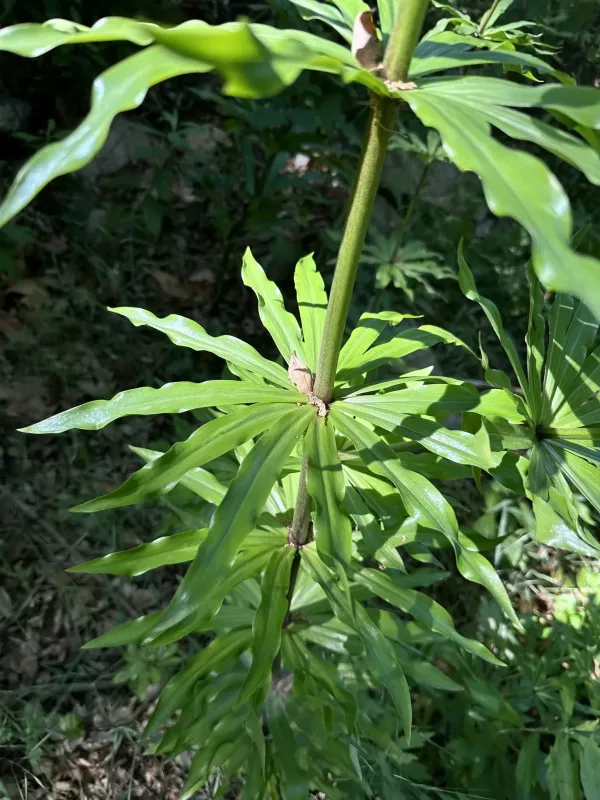
Description
Growing requirements
Humboldt's lily (Lilium humboldtii) belongs to the Liliaceae family and is one of the most spectacular floral representatives of California. This perennial bulbous plant naturally prefers foothills and open areas with excellent soil drainage.
The species is characterized by robust stems reaching heights of 1 to 2 meters, bearing large, pendulous, golden-orange flowers with distinctive purple-brown spots. The plant has developed adaptations to seasonal moisture fluctuations found in its native geographical range.
For successful cultivation of Lilium humboldtii, well-drained, loose soil with a neutral to slightly acidic pH is required. Ensuring adequate aeration of the root system is critical, as waterlogging is detrimental to the bulbs of this species.
The plant thrives in areas with full sun exposure, although it can tolerate light shade in hotter climates. It is important to note that Humboldt's lily is sensitive to drastic soil temperature changes, making mulching of the root zone an essential agronomic practice.
Economic use of this species is primarily focused on ornamental gardening and collection floriculture. Due to its exotic appearance, it is highly valued by breeders as a source of genetic material for developing hardy hybrid lilies.
Main diseases and pests
The primary threats to Humboldt's lily include fungal diseases such as Botrytis (gray mold), which occurs during periods of high atmospheric humidity. Preventive measures include maintaining proper planting distance and timely removal of infected plant parts.
Viral infections also pose a significant threat to this species, typically transmitted via contaminated garden tools or sap-sucking insect vectors. Symptoms of infection include leaf deformation and flower color breaking.
Among the pests, the scarlet lily beetle is particularly damaging, as it can quickly destroy the entire leaf apparatus, while root mites also present a major challenge. Regular inspection and the use of broad-spectrum insecticides help manage pest populations effectively.
Damage to bulbs by rodents is another specific issue, requiring the installation of wire mesh cages during planting. This is especially critical during the plant's dormant period when the root system remains most vulnerable.
Adhering to crop rotation principles and avoiding the application of fresh manure in the root zone significantly reduces the risks of exposure to phytopathogens common to bulbous crops of this family.