
Lilium akkusianum
Lilium akkusianum
Description
Growing requirements
Lilium akkusianum is a unique species belonging to the Liliaceae family. It is a rare endemic lily species native to the Akkuş district in the Ordu province of Turkey, thriving in specific forest microclimates.
In its natural habitat, the plant grows in damp, forested areas often found at higher altitudes. For successful cultivation, it requires a location that mimics these conditions, specifically offering partial shade to prevent the foliage from scorching during the peak summer heat.
The soil requirements involve a well-drained, humus-rich substrate that maintains consistent moisture without becoming waterlogged. A neutral to slightly acidic pH balance is ideal for supporting the nutrient uptake of the bulb during its active growing season.
This species is adapted to temperate climatic conditions, requiring a distinct period of winter dormancy to complete its life cycle. Providing a layer of mulch in colder regions helps protect the bulbs from severe frost and temperature fluctuations.
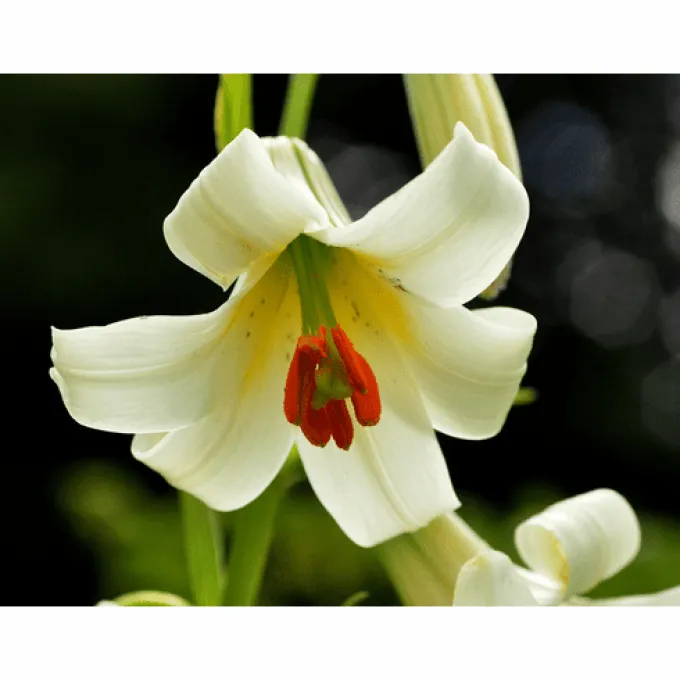
Morphologically, the plant features elegant, nodding flowers characterized by their distinct yellow coloration and occasional spotting. As a member of the Liriotypus section, it demonstrates specialized growth habits that favor stable, cool-rooted environments.
Main diseases and pests
Like many lily species, Lilium akkusianum is vulnerable to Botrytis, or gray mold, especially in environments with high humidity and poor ventilation. Proper spacing and airflow management are essential preventive strategies.
Fusarium basal rot is a severe threat that often targets the bulb's root system. This disease is typically triggered by excessively wet soil or injuries to the bulb scales, making proper drainage and careful handling during planting crucial for survival.
The lily beetle (Lilioceris lilii) is a significant pest that can defoliate the plant rapidly if left unchecked. Gardeners should conduct routine inspections to detect egg masses and larvae early to prevent extensive tissue damage.
Sap-sucking insects like aphids pose a secondary threat by acting as vectors for various plant viruses. Controlling aphid populations with systemic insecticides is necessary to maintain the long-term health and vigor of the lily population.
Root-knot nematodes can also affect the bulbs, resulting in stunted growth and chlorosis. To mitigate this risk, it is recommended to source bulbs from certified nurseries and ensure the growing site has not been recently infested by soil-borne pests.