
Licuala spinosa
Licuala spinosa
Description
Growing requirements
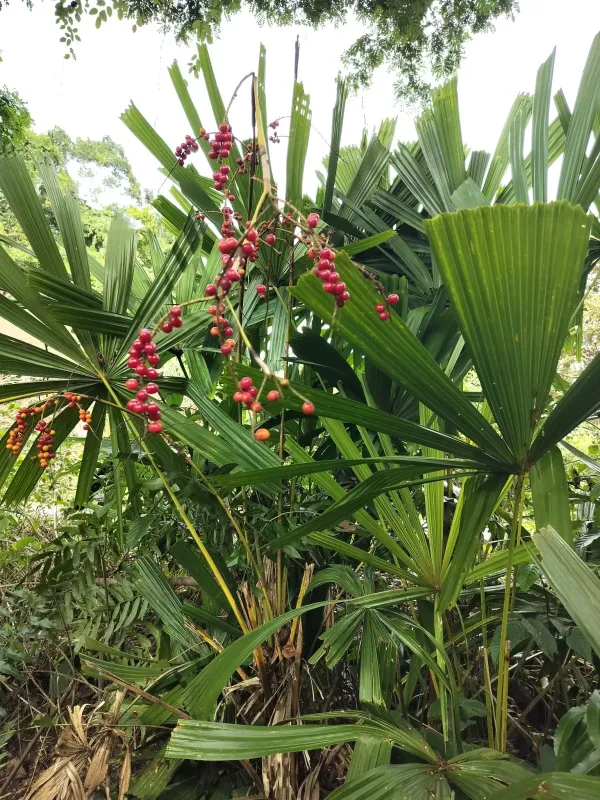
Licuala spinosa is a distinctive species of the Arecaceae family, native to the tropical forests and mangrove regions of Southeast Asia. This fan palm is highly valued for its striking, segmented, circular leaves which create a lush, tropical atmosphere in any appropriate environment.
The plant thrives in warm, humid conditions with temperatures consistently between 22 and 28 degrees Celsius. Exposure to cold drafts or temperatures below 18 degrees can significantly hinder growth and damage the sensitive foliage of this palm species.
High relative humidity is essential for the healthy development of Licuala spinosa. It is recommended to maintain humidity levels above 70 percent, often requiring daily misting or the use of commercial humidifiers to replicate its native rainforest habitat.
When selecting a soil medium, gardeners should prioritize a well-draining, nutrient-rich, and slightly acidic substrate. A mixture consisting of peat, leaf mold, and perlite or coarse sand provides the necessary aeration for the palm's root system to flourish without rotting.
Light requirements for this species include bright, filtered light. While it can tolerate some shade, it should never be exposed to direct, intense sunlight, which can scorch the delicate leaf surfaces and lead to irreversible aesthetic damage.
Main diseases and pests
The most common pests affecting Licuala spinosa in domestic or greenhouse settings are spider mites and scale insects. These pests thrive in dry environments and can quickly sap the plant of vital nutrients if left unchecked by regular monitoring.
Root rot is the primary physiological threat caused by over-irrigation. Ensuring the potting container has adequate drainage holes and avoiding standing water in the drainage tray are critical practices to prevent the development of anaerobic conditions.
Mealybugs can often be found hiding in the tight crevices where the leaf petioles emerge from the trunk. These insects are best managed through mechanical removal followed by a targeted application of suitable horticultural oils or systemic insecticides.
Fungal spot diseases may occur when leaves remain wet for extended periods in environments with poor air circulation. Proper spacing between plants and gentle ventilation are recommended to minimize the risk of pathogen proliferation on the foliage.
Nutritional deficiencies often manifest as chlorosis or stunted growth, particularly if the water used for irrigation is excessively hard. Utilizing soft or deionized water helps prevent mineral buildup that can otherwise impede nutrient uptake in the soil.