
Licuala amplifrons
Licuala amplifrons
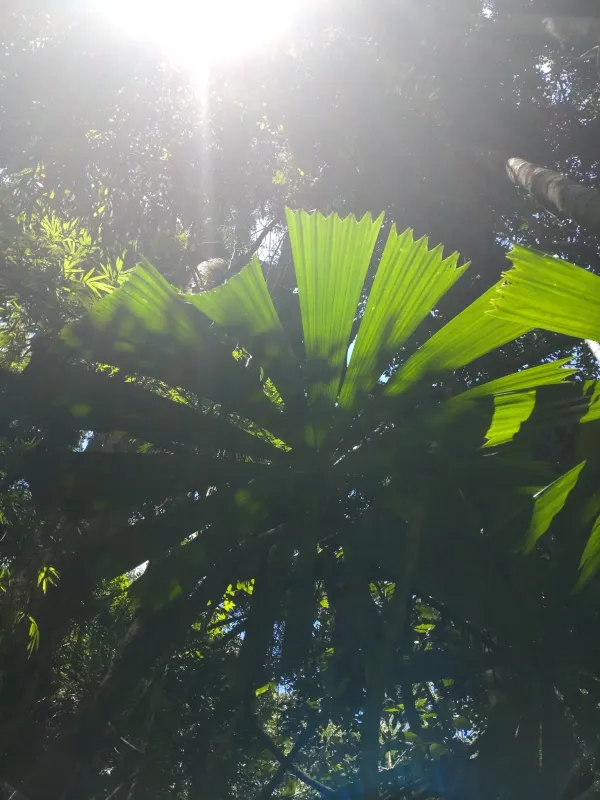
Description
Growing requirements
Licuala amplifrons is a unique species belonging to the Arecaceae family. Originating from the dense tropical rainforests of Southeast Asia, this palm is highly valued for its large, segmented fan-shaped leaves that create a dramatic appearance in any botanical setting.
The cultural requirements for this palm are strictly tropical. It thrives in ambient temperatures between 22°C and 28°C and necessitates high humidity levels, ideally above 65%. It is essential to protect the plant from cold drafts and sudden temperature fluctuations, which can stress the foliage.
Regarding soil, Licuala amplifrons requires a nutrient-rich, airy, and well-drained medium. A mix containing peat moss, pine bark, and perlite provides the necessary structure to prevent compaction while retaining sufficient moisture for the root system.
Lighting should be bright but strictly indirect. In natural habitats, these palms grow in the understory of large trees, where they receive filtered light. Exposing them to direct sunlight will scorch the leaves and significantly reduce the health of the plant.
Watering should be managed with caution. The soil must remain consistently moist but never waterlogged. During the dormant winter phase, watering should be reduced slightly to prevent root asphyxiation, while maintaining a consistent humidity level via misting.
Main diseases and pests
Common pests include spider mites and mealybugs, which are particularly prevalent in low-humidity indoor environments. Regular monitoring of the undersides of the leaves is vital for early detection and manual intervention before an infestation spreads.
Fungal issues, such as leaf spot or root rot, often arise due to poor airflow or excessive moisture in the growing medium. Improving circulation around the plant and ensuring the container has sufficient drainage holes are primary preventive measures.
Nutrient deficiencies often manifest as chlorosis or stunted leaf development. A balanced, water-soluble fertilizer specifically formulated for palms should be applied during the growing season to ensure the plant receives essential macro and micronutrients.
Over-fertilization can be as harmful as under-fertilization, leading to salt buildup in the soil. It is recommended to flush the soil with distilled or purified water occasionally to prevent salt crusting, which can burn sensitive root tips.
Physical damage to the large, fragile leaves should be avoided during handling. As a slow-growing species, leaf recovery is a long process, making mechanical protection and careful maintenance of the environment the most important aspects of plant health.